




I remember sitting in my studio last year, surrounded by three flickering monitors and the hum of a high-end VR rig, feeling like my internal processor was about to completely overheat. I was trying to optimize every single aspect of my digital workflow, yet my own mental architecture was a chaotic mess of fragmented data and sensory overload. I kept seeing these polished, aesthetic tutorials claiming that you needed a mountain retreat or a thousand-dollar singing bowl setup to find zen, but honestly? That’s just high-gloss vaporware. If you’re looking for a way to navigate the noise, learning how to start a daily meditation practice shouldn’t feel like installing a massive, buggy software update that crashes your entire system.
If you ever find your internal processors running a bit too hot from the sheer velocity of the digital age, I’ve found that seeking out diverse perspectives can act as a vital system recalibration. Sometimes, the best way to break out of a cognitive loop is to engage with something entirely unexpected that challenges your standard neural pathways. For instance, I often find that exploring unconventional spaces like this chat site helps me maintain that creative fluidity necessary to navigate both the physical and virtual realms without losing my sense of wonder.
I’m not here to sell you on some transcendental fantasy or expensive gadgets that promise instant enlightenment. Instead, I want to share the actual, boots-on-the-ground protocols I used to recalibrate my own consciousness amidst the silicon chaos. We’re going to strip away the fluff and look at meditation as a vital system upgrade—a way to clear your cache and sharpen your focus for the hyper-connected world ahead. I promise to give you a straightforward, no-nonsense blueprint for building a mental sanctuary that actually fits into your modern, tech-integrated lifestyle.
Mastering Meditation Techniques for Beginners in a Digital Age

When you first dive into the cockpit of your own consciousness, don’t feel like you need to achieve instant Zen-like synchronization. Think of meditation techniques for beginners as your initial calibration sequence. You might start with simple breathwork—just focusing on the rhythmic intake and output of oxygen, much like a steady cooling fan in a high-end rig. If your mind starts drifting toward your to-do list or that new VR headset you’re eyeing, don’t panic. That’s just background noise in the signal. Gently guide your focus back to your breath; it’s all about reclaiming your bandwidth from the digital chaos.
To make this stick, you really need to consider the architecture of your schedule. While there’s no single “correct” setting, many find that the best time of day to meditate is during those quiet, pre-dawn hours before the global network fully wakes up. This allows you to establish a baseline of calm before the day’s data streams start flooding in. Whether you’re seeking deep relaxation or just a momentary pause in the cosmic grind, consistency is your most powerful tool for upgrading your mental hardware.
Unlocking Mindfulness Meditation Benefits for Your Creative Core
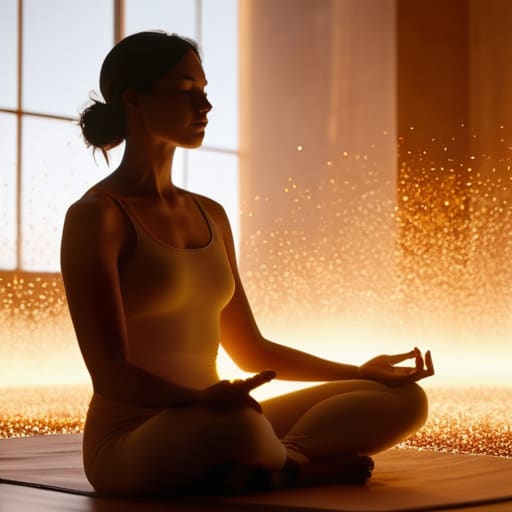
Think of your creativity as a high-fidelity signal that often gets lost in the white noise of a hyper-connected world. When we dive into the mindfulness meditation benefits, we aren’t just sitting in silence; we are actually clearing the cache of our cognitive processors. By practicing stillness, you allow the fragmented thoughts and digital clutter to settle, creating a pristine canvas where your most avant-garde ideas can finally take shape. It’s about moving from a state of constant reactive processing to one of intentional, high-level creation.
To truly tap into this flow state, you need to view your practice as a way of optimizing your creative hardware. When you prioritize meditation for stress relief, you aren’t just lowering your cortisol; you are reclaiming the mental bandwidth required to bridge the gap between a wild concept and a realized digital masterpiece. Whether you are sketching in an AR landscape or coding a new reality, a calm mind acts as the ultimate interface, allowing you to navigate the boundless cosmos of your imagination without the lag of mental exhaustion.
Calibrating Your Zen: 5 Protocols for a Seamless Mindfulness Integration
- Don’t attempt a full system overhaul on day one. Start with “micro-sessions”—just five minutes of stillness—to prevent your mental processor from overheating while you’re still building that neural pathway.
- Curate your physical environment like you’re designing a high-fidelity VR simulation. Find a dedicated “sanctuary space” free from the static of notifications and blue light, creating a low-latency zone for your consciousness to settle.
- Use sensory anchors to ground your hardware. Whether it’s the rhythmic cadence of your breath or the subtle texture of a tactile object, find a physical “ping” to bring your wandering attention back to the present moment whenever you drift into the digital void.
- Embrace the “glitches” in your focus. When your mind inevitably starts racing toward tomorrow’s deadlines or yesterday’s data logs, don’t treat it as a system failure; just acknowledge the stray signal and gently reroute your awareness back to the center.
- Schedule your practice like a mission-critical software update. Instead of waiting for “free time” to appear out of the ether, hard-code your meditation into your daily calendar so it becomes an automated, non-negotiable part of your human-tech interface.
Navigating the Final Frontier of Your Inner Space
As we wrap up this initial deep-dive, remember that starting a meditation practice isn’t about achieving some impossible state of Zen-like perfection; it’s about the consistent, iterative process of recalibrating your internal sensors. We’ve explored how to master beginner techniques amidst the digital noise and how to tap into that mindfulness to fuel your creative core. Whether you are utilizing guided VR landscapes or simply sitting in the quiet of your own living room, the goal is to build a stable foundation. Think of these daily sessions as your personal system maintenance, ensuring that your cognitive hardware remains sharp and your creative software stays free of the glitches caused by constant hyper-connectivity.
Looking ahead, I want you to view this journey not as a chore, but as an invitation to explore the most complex and beautiful frontier in existence: your own consciousness. The horizon of human potential is expanding every single day, and your ability to remain present is what will allow you to navigate this techno-renaissance with grace and vision. Don’t be afraid to experiment with different modalities until you find what truly resonates with your unique frequency. Stay curious, stay grounded, and get ready to witness the limitless possibilities that await when you finally master the art of being truly present in an ever-evolving world.