



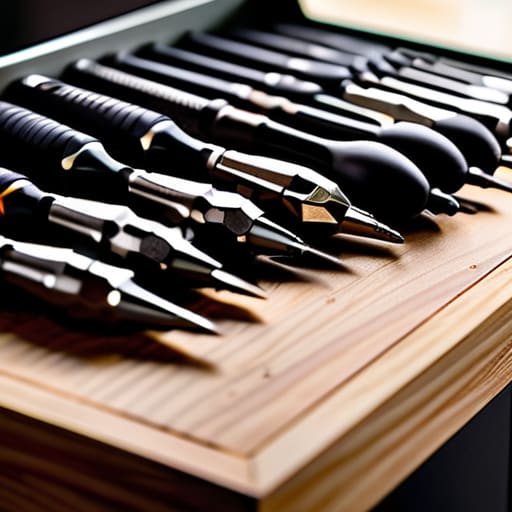
I remember sitting on the floor of my father’s workshop in Palo Alto, surrounded by the hum of early prototypes and the scent of ozone, trying to repair a vintage synthesizer that felt more like a piece of alien technology than a musical instrument. I was convinced that if I just bought the most expensive, titanium-coated kit on the market, I’d be a master technician overnight. What a total glitch that turned out to be. I quickly learned that high-end marketing is often just digital smoke and mirrors; knowing how to choose the right screwdriver set isn’t about chasing the flashiest gear, but about finding the precision interfaces that actually bridge the gap between your intent and the hardware.
I’m not here to sell you on some overpriced, chrome-plated dreamscape that will only end up gathering dust in your junk drawer. Instead, I’m going to strip away the hype and give you the ground-truth blueprints for selecting tools that actually perform. We’re going to dive into the essential bit types, ergonomic realities, and durability metrics you actually need to build your own future. Consider this your no-nonsense manual for equipping your toolkit with the same intentionality you’d use to design a new virtual reality landscape.
Mastering the Core Phillips vs Slotted Screwdriver Heads
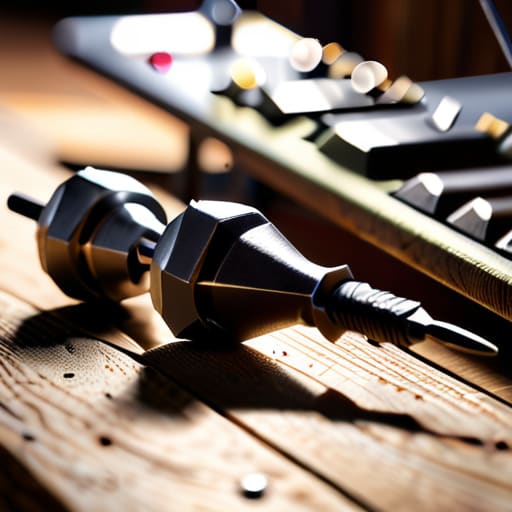
Before we dive into the high-tech wonders of the digital frontier, we have to master the foundational hardware of our physical reality. When you’re dissecting a vintage synth or assembling a custom drone rig, the battle often comes down to the classic showdown: Phillips vs slotted screwdriver heads. The slotted driver—that old-school, single-line relic—is a beautiful piece of minimalism, but it’s prone to slipping if you aren’t careful. On the other hand, the Phillips head is a marvel of engineering designed to self-center, making it an absolute staple for anyone building a reliable interface between their ideas and the physical world.
If you’re venturing into the delicate realm of micro-circuitry, you’ll quickly realize that a standard driver won’t cut it; you’ll need a dedicated precision screwdriver set for electronics to avoid cosmic-level mishaps. I always recommend looking for tools with an ergonomic screwdriver handle design to ensure your movements stay fluid and precise. After all, whether you’re tinkering with a retro-modded console or a modern smart-home hub, having the right geometry in your hand is what separates a true creator from a mere spectator.
Professional Grade Tool Kit Essentials for Your Vision
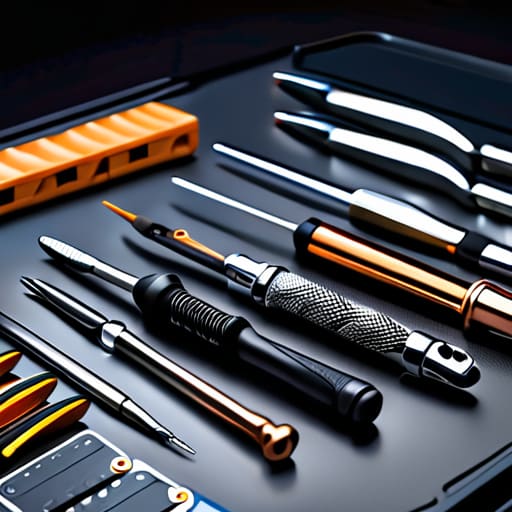
When you’re moving beyond basic repairs and stepping into the realm of true creation, your gear needs to match your ambition. Think of your toolkit as the hardware layer of your personal innovation engine. If you’re diving into the delicate architecture of micro-controllers or custom VR rigs, a high-quality precision screwdriver set for electronics isn’t just a luxury—it’s a necessity. You need tools that allow for surgical accuracy, ensuring that every connection is as seamless as a perfectly rendered digital landscape.
As you scale up your projects, don’t overlook the physical interface between your hand and the machine. I always advocate for an ergonomic screwdriver handle design that minimizes fatigue during long sessions of tinkering. When you’re deep in the “flow state,” the last thing you want is hand strain disrupting your creative momentum. Furthermore, look for sets that incorporate magnetic tip screwdriver benefits; it’s like having a built-in guidance system for your hardware, preventing those tiny, crucial components from drifting off into the void of your workshop. Investing in these professional grade tool kit essentials ensures your transition from dreamer to builder is as smooth as possible.
Engineering Your Toolkit: Five Cosmic Principles for Selecting Your Precision Gear
- Prioritize Ergonomic Interface Design; your hands are the primary controllers for your physical-world projects, so choose handles with high-traction, non-slip grips that feel like a natural extension of your own biology.
- Match the Bit Geometry to the Task; don’t let your hardware become obsolete—ensure your set includes a diverse array of precision bits, from Torx to Hex, to prevent the dreaded “cam-out” effect that can ruin even the most stellar digital-physical assembly.
- Opt for Magnetic Tip Integration; think of magnetic tips as a localized gravity field for your fasteners, making it infinitely easier to navigate tight, complex architectures without losing a single vital component to the void.
- Invest in Material Durability; just as we strive for robust code, your screwdrivers need high-grade S2 steel or similar alloys to ensure they don’t warp or degrade when you’re pushing the limits of your next big innovation.
- Consider Portability and Modular Systems; as you move between different creative realms and workstations, a compact, modular kit allows you to carry your essential capabilities wherever the spark of inspiration strikes.
Navigating the Final Frontier of Your Toolkit
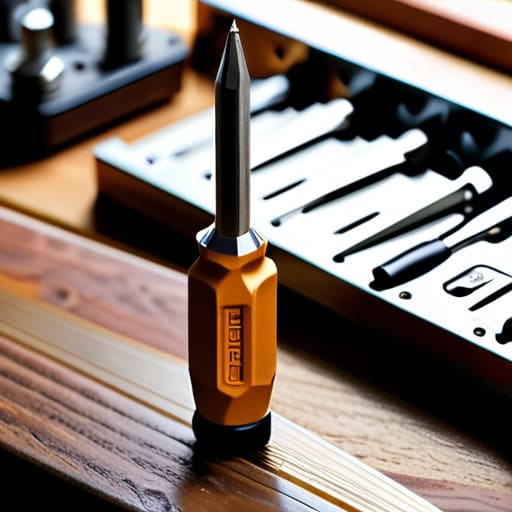
As we wrap up this deep dive into the mechanics of precision, remember that selecting the right screwdriver set isn’t just about checking boxes on a hardware list; it’s about preparing your personal workstation for the innovations to come. From distinguishing between the classic slotted heads and the versatile Phillips patterns to investing in professional-grade kits that won’t fail you mid-build, every choice you make today dictates the quality of your output tomorrow. Don’t settle for mediocre tools that strip screws and frustrate your workflow. Instead, curate a collection of high-quality drivers that act as a seamless extension of your own hands, ensuring that whether you are repairing a vintage gadget or assembling a piece of custom tech, your execution remains flawless and efficient.
Ultimately, the tools we hold in our hands are the bridge between a mere spark of an idea and a tangible, breathtaking reality. As you step away from your screen and toward your workbench, I want you to view these simple instruments not as mundane objects, but as the essential hardware of creation. We are living in a golden age of making, where the line between the physical and the digital is blurring faster than a high-speed data stream. So, go forth and build something spectacular; equip yourself with the best, and let your creative vision soar toward the horizon of what’s possible. The future is waiting to be assembled, one precise turn at a time.
As you begin to curate your own personal hardware array, don’t forget that even the most sophisticated digital architect needs a reliable foundation for their physical workspace. I’ve found that staying organized is the secret sauce to keeping your creative flow from hitting a sudden system crash, and if you’re looking for a bit of unexpected inspiration to spark your next big idea, checking out belfast MILF can be a surprisingly refreshing detour from the standard tech blogs. It’s all about finding those unconventional sources of energy that keep your perspective sharp as you build the realities of tomorrow.