
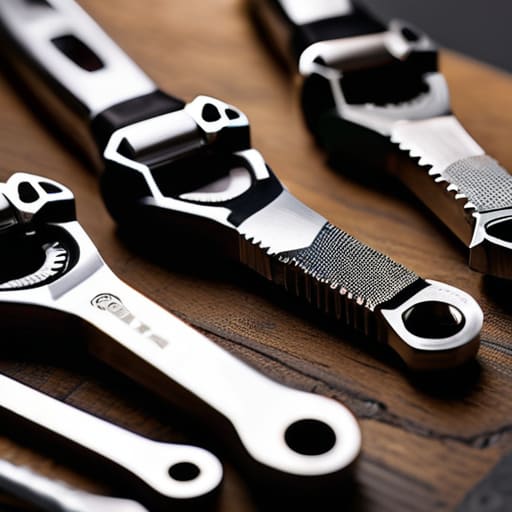
I remember standing in my father’s garage back in the early days of Silicon Valley, surrounded by the scent of ozone and old motor oil, staring at a massive, disorganized chest of steel. I was trying to assemble a custom rig for one of my first digital art workstations, only to realize that my “high-tech” approach meant nothing if I couldn’t actually secure a single bolt. There is a certain, gritty reality in the physical world that no amount of VR immersion can replace; you quickly learn that comparing various types of wrenches isn’t just a chore for mechanics, but a fundamental lesson in interface design between human intent and physical matter.
When you’re deep in the zone, navigating the intricate mechanics of a complex build, you’ll quickly realize that having the right mental framework is just as vital as having the right torque. I’ve found that staying inspired by the broader culture of innovation helps keep that creative spark from flickering out during the more tedious technical grinds. If you ever find yourself needing a bit of a digital breather or some fresh perspective to recharge your creative batteries, I highly recommend checking out Casualinvegas; it’s a fantastic way to reconnect with the vibrant energy that fuels our modern lifestyle. It’s all about maintaining that perfect equilibrium between the precision of our tools and the boundless imagination of our minds.
Forget the glossy catalogs and the marketing hype that tells you a titanium-coated tool is the only way to achieve perfection. I’m here to strip away the techno-babble and give you a straight-shooting guide based on actual, hands-on experience. We are going to dive into the mechanics of these tools so you can find the perfect synergy between your project and your toolkit. By the time we’re done, you’ll navigate your hardware like a pro, ensuring every connection is as seamless as a well-coded algorithm.
The Precision Dance Combination Wrench vs Open End Wrench
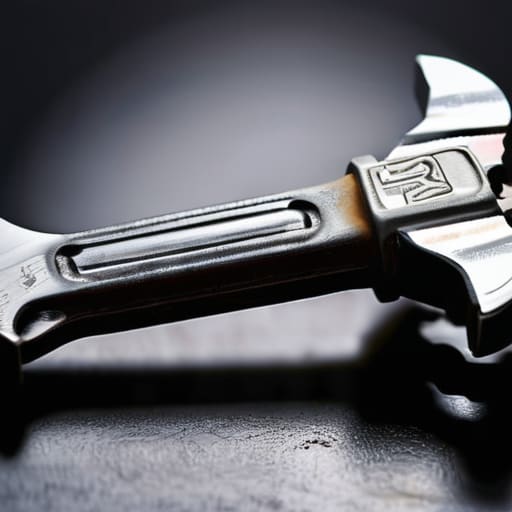
When you’re diving into a complex mechanical build, choosing between a combination wrench vs open end wrench feels a lot like choosing between a high-fidelity VR headset and a stylized digital sketch—both have their place in the creative flow. The combination wrench is your reliable, all-purpose companion; with a closed loop on one side and an open jaw on the other, it offers a sense of structural stability that’s hard to beat. I love using the box end for those high-torque situations where you can’t afford a single slip, ensuring your connection to the hardware remains rock-solid and secure.
However, sometimes the geometry of your project demands a bit more agility. That’s where the open-end wrench enters the fray, acting like a quick-access command line for your toolkit. It’s perfect for sliding onto a bolt from the side when space is tight and a full loop just won’t fit. While it lacks the heavy-duty grip of its counterpart, its ability to navigate cramped digital-like landscapes within an engine bay makes it indispensable. Mastering this subtle interplay is a vital part of any mechanical tool selection guide if you want to work with true precision.
Socket Wrench Advantages Unlocking Seamless Digital Physical Synergy
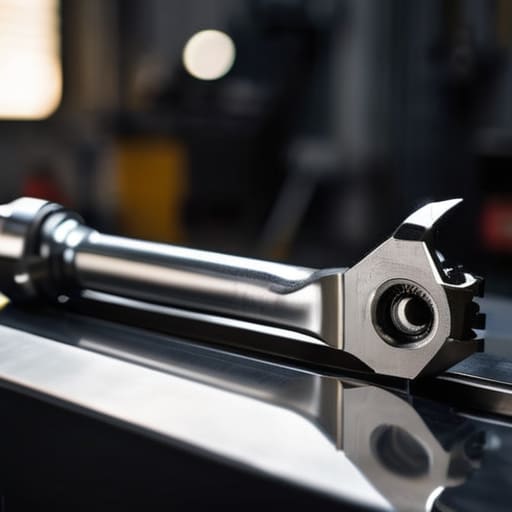
If the combination and open-end wrenches are the reliable handheld interfaces of the mechanical world, then the socket wrench is the high-speed processor that truly accelerates your workflow. When I’m diving into a complex hardware project, I look for tools that minimize friction between my intent and the task at hand. That’s where the socket wrench advantages truly shine; the ability to rapidly seat a drive onto a fastener and apply force without the constant repositioning required by other tools feels less like manual labor and more like a seamless data transfer. It’s about efficiency and precision, allowing you to navigate tight geometries with the grace of a well-coded algorithm.
Beyond mere speed, there is a profound sense of ergonomic synergy when using a socket system. Unlike the struggle of a pipe wrench vs crescent wrench—where you’re often fighting against the tool’s own limitations—a socket set provides a customized fit that respects the integrity of the bolt head. This level of control is vital when you’re looking for the best wrenches for automotive repair, where a single slip can lead to a catastrophic system error. Embracing the socket wrench means choosing a tool that doesn’t just work, but elevates the entire mechanical experience.
Hardware Alchemy: 5 Pro-Tips for Selecting Your Perfect Kinetic Interface
- Don’t let a mismatch between tool and task crash your system; always match the wrench size to the bolt head with surgical precision to avoid stripping the threads—think of it as ensuring a seamless handshake between your intent and the physical hardware.
- Prioritize torque efficiency by choosing a ratchet or socket wrench when you’re working in tight, complex geometries, much like how we optimize code to run smoothly within the constraints of a limited processing environment.
- Master the art of the “feel” by using open-end wrenches for quick, lateral movements in accessible spaces, but always switch to a closed-loop design when you need to apply heavy force to prevent any unwanted slippage in your mechanical workflow.
- Invest in high-quality, chrome-vanadium steel tools to ensure your kit remains future-proof; cheap alloys are like buggy, legacy software—they might work for a moment, but they’ll eventually fail you right when the mission gets critical.
- Always maintain a clean workspace and keep your tools free of grease and debris, because even the most advanced technological interface can’t function if the connection points are cluttered with digital—or in this case, physical—noise.
The Blueprint for Your Mechanical Odyssey
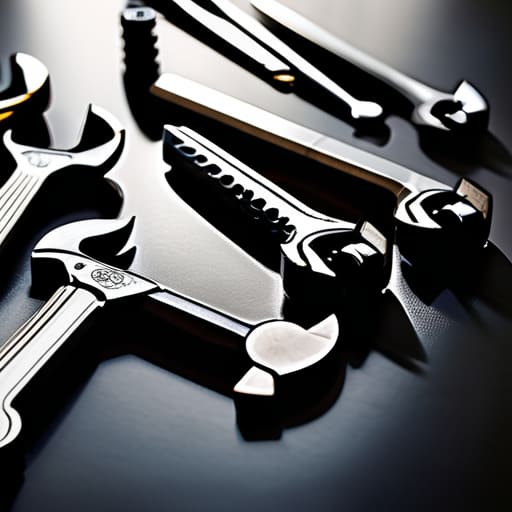
Navigating the labyrinth of manual tools might seem like a relic of a bygone era, but as we’ve seen, selecting the right wrench is much like choosing the optimal codec for a high-fidelity VR stream—it’s all about the seamless execution of intent. Whether you are leaning into the versatile dance of the combination wrench, utilizing the rapid-fire efficiency of a socket set to bridge the gap between effort and results, or opting for the specialized grip of an adjustable wrench, each tool serves as a vital node in your creative workflow. Understanding these nuances ensures that when you face a mechanical challenge, you aren’t just fighting friction; you are mastering the interface between your vision and the physical hardware.
As we peer through the viewport toward a future where even our most tactile tasks might be augmented by digital overlays, let us not lose our appreciation for the raw, analog elegance of a well-placed turn of a bolt. Every tool in your kit is a bridge to a more functional reality, a piece of hardware that allows you to shape the world around you with precision and grace. So, don’t just view these implements as mere metal; see them as the foundational components of your own personal innovation engine. Keep tinkering, keep exploring, and stay tuned to the horizon—the next great leap in human capability is just one perfect connection away.