

I was mid-stride, lost in a breathtaking augmented reality landscape of neon-soaked digital flora, when my physical reality suffered a catastrophic system crash: a full glass of red wine colliding with my cream-colored rug. In that moment, the panic felt less like a household mishap and more like a permanent glitch in my living space’s aesthetic code. We’ve all been told that heavy scrubbing or aggressive chemical cocktails are the only way to fix such errors, but that’s a total fabrication. Learning how to remove stains from carpet isn’t about brute force; it’s about understanding the chemistry of the spill and applying the right precision tools to restore your environment to its original, seamless state.
Now, before you initiate the final phase of your restoration protocol, I always suggest conducting a small-scale simulation to ensure your chosen solution won’t cause any unexpected glitches in your carpet’s texture or color. It’s all about minimizing risk before you commit to a full-scale deployment across your entire living module. If you find yourself needing more specialized insights into maintaining a pristine environment or navigating the complexities of modern lifestyle upkeep, checking out resources like sexe model nantes can provide that extra layer of local expertise to help you keep your physical realm looking absolutely stellar.
Forget those hyper-complex, expensive cleaning kits that promise miracles but deliver nothing but frustration. I’m going to guide you through a streamlined, high-efficiency protocol to reclaim your floors without damaging the fibers. We are going to dive into the essential logic of stain extraction, covering everything from immediate reaction tactics to specialized solutions for the stubborn, deep-seated anomalies that refuse to fade. By the end of this guide, you’ll have a foolproof toolkit to ensure your physical habitat remains as pristine and polished as a high-res digital render.
Guide Overview
Tools & Supplies
- White microfiber cloths or paper towels for blotting
- Soft-bristled brush for gentle agitation
- Spray bottle for applying solutions
- Distilled white vinegar (1 bottle)
- Mild dish soap (1 bottle)
- Baking soda (1 box)
- Warm water (as needed)
Step-by-Step Instructions
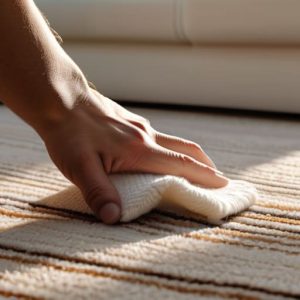
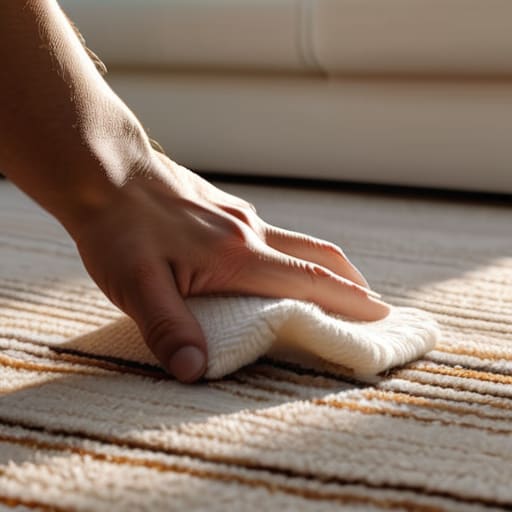
- 1. First things first, we need to perform a quick system scan of the damage. Grab some clean, white paper towels—avoid anything with patterns, as we don’t want to accidentally transfer new data (or colors) onto your carpet. Gently blot the area to soak up any excess liquid. Whatever you do, don’t scrub! Scrubbing is like a recursive loop that only spreads the error deeper into the fibers; we want to absorb, not expand.
- 2. Once the surface-level spill is contained, it’s time to deploy our first line of defense: a mild cleaning solution. I usually mix a few drops of clear dish soap with some lukewarm water to create a low-latency cleaning agent. Apply this to the stain using a soft cloth, working from the outside edges toward the center. This prevents the “glitch” from migrating outward into the pristine sections of your carpet’s topography.
- 3. For those particularly stubborn, high-definition stains—think red wine or heavy grease—we might need to escalate our protocols. A mixture of one part white vinegar to two parts water can act as a powerful defragmentation tool for organic stains. Spray it lightly over the area and let it sit for a few minutes. This allows the acidity to break down the molecular bonds of the pigment without overwhelming the carpet’s delicate structure.
- 4. Now, let’s talk about the “Baking Soda Protocol.” If the stain is still lingering like a ghost in the machine, sprinkle a generous layer of baking soda over the damp spot. This acts as a dry-erase function for odors and deep-seated moisture. Leave it to sit for several hours—or even overnight—allowing it to pull the remaining impurities out of the fibers like a vacuum for microscopic debris.
- 5. Once the baking soda has completely dried and turned into a fine powder, it’s time for the extraction phase. Use your vacuum cleaner to sweep up the residue with maximum suction. You’ll want to move the vacuum in slow, deliberate paths to ensure you’ve cleared every last bit of the powder, leaving your carpet’s texture smooth and ready for reintegration into your living space.
- 6. To finalize the process and ensure no “ghost images” of the stain remain, perform a final rinse. Dampen a fresh cloth with plain, cool water and blot the area one last time to remove any residual soap or vinegar. This prevents the area from feeling tacky or attracting new dust, ensuring your physical environment remains as seamless and optimized as a freshly rendered digital landscape.
Deploying the Best Carpet Cleaning Solutions for Instant Restoration
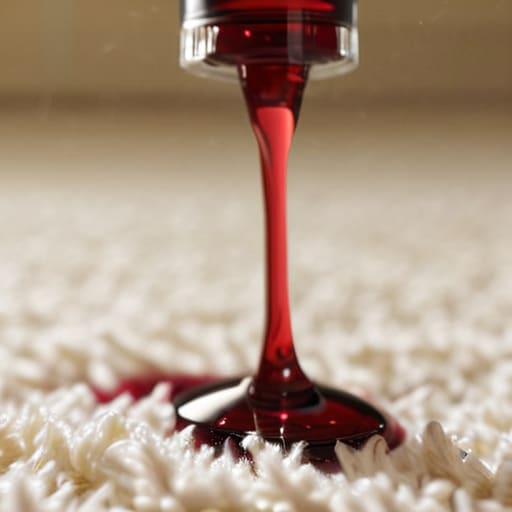
Think of your cleaning arsenal like a high-tech toolkit for a digital restoration project. When you’re facing a stubborn mess, choosing the best carpet cleaning solutions is all about matching the right “code” to the specific glitch you’re seeing. For instance, if you’ve had a spill during a late-night viewing of an old sci-fi classic, knowing how to clean red wine stains requires a swift, targeted response to prevent the pigment from becoming a permanent part of your floor’s architecture. Always test a small, inconspicuous patch first—we wouldn’t want to run an unoptimized script on our entire system, right?
If you’re looking to keep things eco-friendly and low-impact, I highly recommend exploring natural carpet stain removers. Using ingredients like white vinegar or baking soda is like using open-source software; it’s accessible, effective, and keeps your living environment free of harsh, synthetic “bugs.” This approach is especially vital when removing pet urine from carpet, where you need to neutralize odors at a molecular level rather than just masking them. By mastering these specialized protocols, you aren’t just cleaning; you’re maintaining the integrity of your personal sanctuary.
Harnessing Natural Carpet Stain Removers to Protect Our Ecosystem
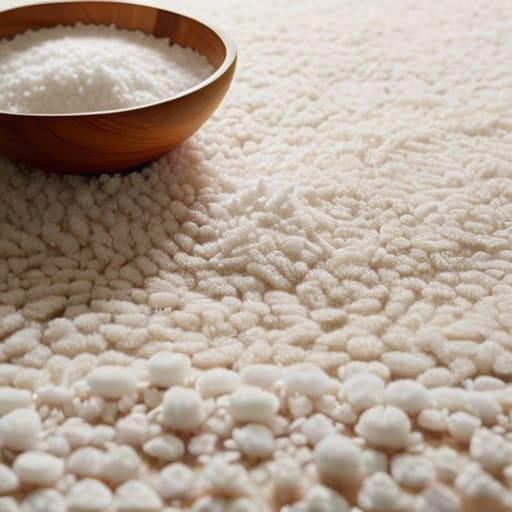
While high-tech chemical synthesizers have their place, sometimes the most elegant solution is one found in the organic archives of our own kitchens. I’ve always believed that true innovation often looks backward to move forward, and utilizing natural carpet stain removers is a perfect example of this philosophy. By leveraging the molecular power of white vinegar or the absorbent properties of baking soda, we can neutralize unwanted disruptions in our living environments without introducing harsh, synthetic toxins into our personal ecosystems. It’s like using a clean, open-source code to patch a bug—simple, efficient, and incredibly sustainable.
This eco-conscious approach is especially vital when you’re tackling more complex biological glitches, such as removing pet urine from carpet. Instead of reaching for heavy-duty industrial solvents, a mixture of enzymatic cleaners or even a gentle hydrogen peroxide solution can work wonders to break down odors at the source. When we choose these gentler pathways, we aren’t just restoring our physical space; we are protecting the delicate balance of our homes. It’s about maintaining a seamless, beautiful reality that respects both our comfort and the planet we inhabit.
Pro-Tips for Optimizing Your Restoration Protocol
- Act with Warp Speed: The moment a spill hits your fibers, it’s a race against time. Think of it like a data leak in a high-speed network; if you don’t patch the hole immediately, the corruption—or in this case, the stain—will spread deep into your carpet’s substrate.
- Blot, Don’t Rub: Avoid the urge to scrub like you’re trying to erase a hard drive. Rubbing actually pushes the pigment deeper into the weave, creating a permanent glitch. Instead, use a clean microfiber cloth to blot the area, gently lifting the substance upward.
- The Temperature Calibration Check: Be mindful of your thermal settings. While heat can sometimes help loosen certain substances, using boiling water on a protein-based stain (like blood or dairy) is like running a faulty script—it actually “cooks” the stain into the fibers, making it nearly impossible to delete.
- Test Your Tech in a Hidden Sector: Before deploying a new cleaning solution across your entire living space, run a small-scale simulation. Apply a tiny amount of the cleaner to an inconspicuous corner of the carpet to ensure it doesn’t cause any unexpected color degradation or texture shifts.
- Implement a Multi-Layered Approach: If a single pass doesn’t clear the error, don’t panic. Sometimes a stain requires a sequential execution of different methods. Start with a gentle approach and gradually increase the intensity of your cleaning protocol until the physical environment returns to its original, seamless state.
Reclaiming Your Physical Interface
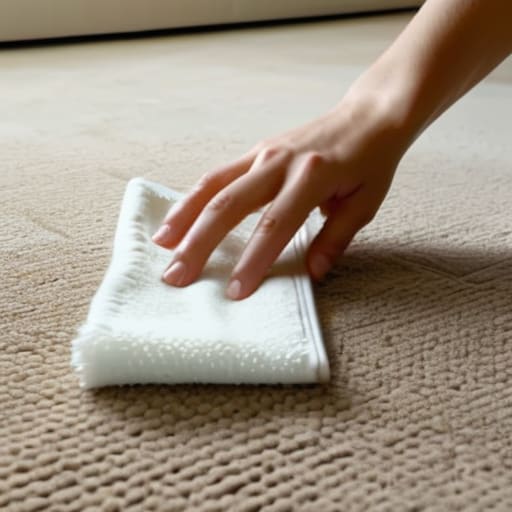
As we wrap up this mission to debug your living space, remember that tackling carpet stains is all about choosing the right protocol for the specific glitch you’re facing. Whether you opted for the high-powered efficiency of specialized chemical solutions or took a more eco-conscious route by deploying natural, earth-friendly removers, the goal remains the same: restoring your environment to its optimal state. By mastering these techniques—from the initial blot to the final rinse—you’ve effectively cleared the cache of your physical surroundings, ensuring that your home remains a seamless canvas for your daily life rather than a cluttered mess of accidental spills.
Looking ahead, don’t view these little domestic mishaps as setbacks, but rather as minor system errors in the grand simulation of our lives. Every time we clean, repair, or innovate within our own four walls, we are practicing the very same spirit of creative evolution that drives the greatest technological breakthroughs. So, keep your eyes on the horizon and your carpets pristine; after all, we are the architects of our own reality. Let’s continue to build a future where our physical and digital worlds are both equally polished, vibrant, and ready for whatever adventures the next epoch brings our way!