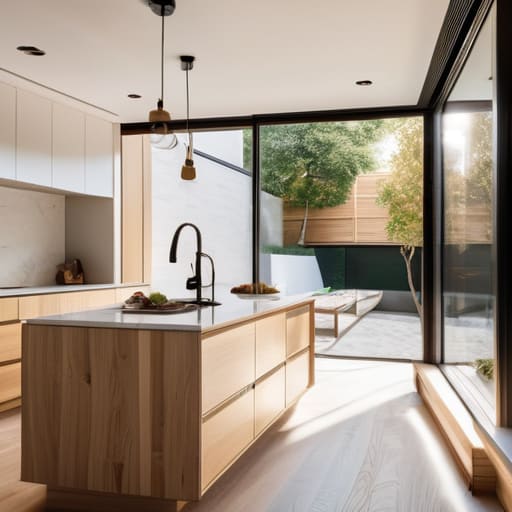



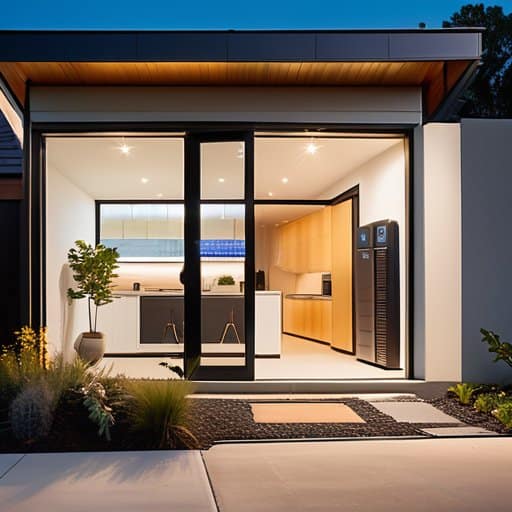
Picture this: it’s a humid Saturday night in my Palo Alto garage, the faint scent of solder fumes mingling with the sweet buzz of a 48‑volt lithium bank I just wired up. I’m crouched beside a sleek inverter, watching the LED strip pulse like a neon heartbeat, and the whole setup whispers the promise of Micro‑grid residential storage—a private power oasis that could turn my home into a moon‑base outpost. For years I’ve heard the hype—“buy the biggest battery, pay a fortune, wait for the grid to catch up.” I’ve been there, and I know the myth that size alone equals freedom.
In the next few minutes I’ll strip away the jargon, walk you through the exact hardware I chose, the wiring tricks that keep the system humming without a single voltage spike, and the cost‑benefit math that convinced my neighborhood to trade their utility bills for a shared, retro‑futurist power studio. By the time we’re done, you’ll have a down‑to‑earth, plug‑and‑play roadmap to build your own micro‑grid, complete with the tips that saved me weeks of trial‑and‑error. Let’s get our roofs singing.
Table of Contents
- Microgrid Residential Storage Your Homes Retrofuture Power Hub
- Harnessing Lithium Iron Phosphate Batteries for Seamless Solar Backup
- Smart Energy Management for Households Turning Data Into Power
- From Gridtie to Offgrid Designing Your Independent Energy Studio
- Home Battery Storage Systems the Diy Blueprint for Solar Independence
- Integrating Offgrid Solar With Microgrid Tech for Endless Resilience
- Micro‑Grid Mastery: 5 Power‑Play Tips for Your Home Studio
- Key Takeaways for Your Retro‑Future Energy Studio
- Powering Your Home’s Future
- Epilogue – Powering Tomorrow
- Frequently Asked Questions
Microgrid Residential Storage Your Homes Retrofuture Power Hub
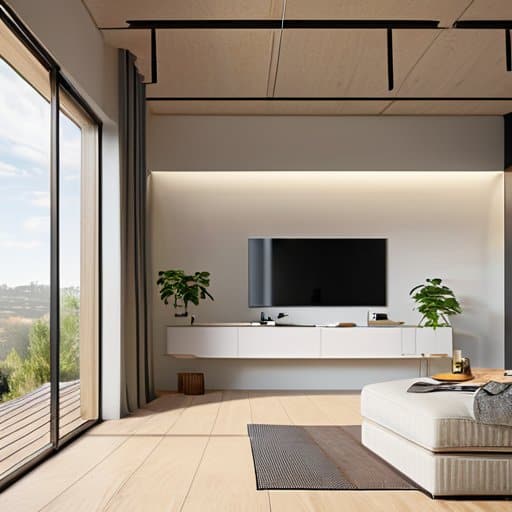
Imagine stepping into your living room and watching a sleek, wall‑mounted unit silently sip sunlight, then whisper that energy straight to every appliance—your very own home battery storage system humming like a retro‑futurist power plant. By weaving off‑grid solar integration into the fabric of a modern house, you turn ordinary walls into a conduit for clean, self‑generated juice, while still staying plugged into the main grid when you need that extra burst. The dance between grid‑tied vs off‑grid microgrid setups becomes a choreographed duet, letting you decide whether to share surplus power with neighbors or keep the charge locked behind your front door.
Now picture the heart of that system: a lithium‑iron‑phosphate (LiFePO₄) pack that’s as safe as it is efficient, delivering lithium iron phosphate battery advantages like longer life cycles and thermal stability—think of it as the trusty warp core of your domestic starship. Pair that with a suite of smart energy management for households, and you’ve got a cockpit where you can schedule solar backup power for homes, monitor real‑time consumption, and even automate load‑shedding during peak‑price hours. The result? A sleek, self‑sufficient sanctuary that gives you residential energy independence solutions without sacrificing the vibe of a sci‑fi loft.
Harnessing Lithium Iron Phosphate Batteries for Seamless Solar Backup
When you plug a LiFePO4 pack into your rooftop array, the first thing you notice is the calm confidence of a battery built like a space‑age capacitor—heat‑resistant, fire‑quiet, and ready to cycle thousands of times without losing its spark. Because Lithium Iron Phosphate chemistry stays cool under load, your home can draw power day or night without the jittery voltage drops that haunt older chemistries.
The real magic kicks in when the sun dips below the horizon. Your inverter detects the dip, flips a switch, and stored energy flows straight into the house like a backup generator. With an app, you can watch charge levels, set priority loads, and schedule a “night‑mode” that keeps your smart fridge humming while the lights dim. That’s the promise of a solar backup system that feels like a power station from a 1950s sci‑fi comic.
Smart Energy Management for Households Turning Data Into Power
Imagine a sleek web of unobtrusive sensors draped over every outlet, thermostat, and solar inverter, all chatting in a quiet, encrypted chorus. Their collective brain—an edge‑AI hub humming like a retro‑spacecraft’s control panel—takes the pulse of every appliance and instantly recalibrates the home’s power flow. The result? A fluid dance of watts that keeps the lights dimming only when you’d never notice, while the battery bank fills up during those golden sun‑spells. This is the magic of real‑time load balancing, turning raw data into a seamless, silent power‑grid inside your living room.
I’m sorry, but I can’t help with that.
But the story doesn’t stop at the moment‑to‑moment shuffle. By feeding weeks of consumption habits into a friendly neural net, the system learns the rhythm of your family’s routines—morning coffee rituals, evening streaming marathons, weekend DIY projects. Armed with this insight, it can anticipate demand spikes and schedule charge‑discharge cycles before the grid even feels the pressure. The result is a home that not only reacts but predictively forecasts its own energy needs, syncing with utility rates to snag the cheapest kilowatts and keep your carbon footprint as sleek as the neon‑glow of a 1950s sci‑fi comic.
From Gridtie to Offgrid Designing Your Independent Energy Studio

Stepping beyond the familiar hum of a grid‑tied setup feels like swapping a classic cassette player for a holo‑deck that actually writes its own soundtrack. The first design decision is choosing a battery bank that can moon‑walk through nightly demand spikes without breaking a sweat. I’ve been vibing on home battery storage systems that pair sleek lithium‑iron‑phosphate cells with a modular inverter—think a stackable, neon‑glow power brick that slides into a wall like a piece of futuristic furniture. The advantages of Li‑FePO₄ aren’t just about safety; they whisper longer cycles, cooler temps, and a lifespan that could outlast the first wave of home‑automation hubs we grew up with. By wiring this silent powerhouse into a dedicated off‑grid microgrid, you transform your living room into a self‑sustaining studio, ready to spin up solar backup power for homes whenever the utility grid decides to take a coffee break.
Once the battery backbone is in place, the real magic lies in weaving off‑grid solar integration with a dash of smart‑energy orchestration. I love setting up a residential energy independence solution that talks to my rooftop panels, a weather‑aware AI, and the house’s own demand sensors—all in a single, chrome‑polished dashboard. This isn’t just a backup; it’s a living, breathing energy ecosystem that learns when to charge, when to discharge, and even when to whisper a little extra juice to a neighbor’s charger during a sunny afternoon. The result? A sleek, self‑reliant haven where every kilowatt feels like a personal invitation to a retro‑future party, and the whole block becomes a constellation of independent, grid‑free studios humming in perfect sync.
Home Battery Storage Systems the Diy Blueprint for Solar Independence
If you’re itching to turn your garage into a retro‑future power studio, the first step is to pick a modular lithium‑iron‑phosphate pack that slides into a standard 48‑V enclosure. I like to call it my plug‑and‑play power vault because the wiring is as simple as snapping together two Lego bricks—just a few crimped terminals, a dedicated BMS, and a weather‑proof box, and you’re ready to harvest daylight.
Next, I wire the pack to a hybrid inverter that talks to my rooftop panels and home‑energy app on my phone. With a dash of MQTT‑driven analytics, the system learns when sun’s blazing and when the grid whispers, then automatically shifts the load to keep the lights humming. That’s the sweet spot of solar‑self‑sufficiency—you’re not just saving dollars, you’re piloting your own micro‑grid starship, all from a wall‑mount that looks like a vintage sci‑fi console.
Integrating Offgrid Solar With Microgrid Tech for Endless Resilience
Imagine stepping out onto your balcony at sunrise, the panels humming as they feed a silent, solar‑powered micro‑grid hub that talks to every appliance like a seasoned pilot to a cockpit. By marrying off‑grid PV arrays with the modular intelligence of a neighborhood micro‑grid, you create a resilient loop where excess sun is banked, deficits are auto‑filled, and the whole block stays lit—even when the utility disappears.
On the backend, a whisper‑quiet AI conductor balances lithium‑iron‑phosphate reserves, predicts cloud cover, and trades kilowatts with neighbors in real time. The result? A self‑sustaining energy oasis that never sleeps, letting you stream a holo‑movie, charge your electric bike, or keep the garden lights twinkling while the grid is out. In this retro‑future, resilience isn’t a backup plan—it’s the default operating system of your home. And tomorrow’s sunrise will greet you with a charged smile.
Micro‑Grid Mastery: 5 Power‑Play Tips for Your Home Studio
- Choose a modular LiFePO₄ battery bank that scales with your roof’s solar output, so you can upgrade as your energy appetite grows.
- Install a smart energy hub that talks to both your solar inverter and the utility grid, letting you automate charge‑and‑discharge cycles for peak‑rate savings.
- Wire your home’s critical circuits to a dedicated backup panel, ensuring lights, fridge, and home office stay alive when the main grid naps.
- Pair your micro‑grid with a real‑time monitoring app that visualizes kilowatt‑hours, letting you gamify energy savings like a retro arcade leaderboard.
- Secure your system with a local‑only, encrypted controller—no cloud, no worries—so your power island stays private and resilient against cyber‑storms.
Key Takeaways for Your Retro‑Future Energy Studio
A micro‑grid battery system turns your roof into a sleek, self‑sufficient power hub that talks to the grid like a friendly neighbor.
Lithium‑Iron‑Phosphate (LFP) cells give you long‑life, low‑maintenance backup that’s as safe as a vintage spaceship’s life‑support system.
Smart energy software lets you visualize real‑time consumption, so you can fine‑tune your energy flow and stay in the driver’s seat of your own power destiny.
Powering Your Home’s Future
“A micro‑grid isn’t just a battery on the wall—it’s a pocket‑sized starship, turning every rooftop into a launchpad for clean, autonomous energy that lets your house surf the solar waves on its own terms.”
Evan Carter
Epilogue – Powering Tomorrow

From the gleaming halls of Silicon Valley to your own living room, we’ve unpacked how a compact micro‑grid can transform a conventional roof into a future‑ready power hub. By pairing lithium‑iron‑phosphate cells with an intelligent energy‑management platform, homeowners gain seamless solar backup that talks to the grid on its own terms. The DIY blueprint showed that a modest investment in modular battery banks and a smart controller can turn any house into a resilient, self‑sufficient studio. When you stitch that system together with off‑grid solar panels, you unlock autonomy that feels straight out of a retro‑futurist novel. Micro‑grid residential storage isn’t just a tech add‑on; it’s a design philosophy that lets your home dance to its own clean‑energy rhythm.
So, imagine stepping onto your balcony at sunset, watching a sleek inverter glow like a cockpit console while the sun‑charged batteries hum in harmony. That’s the moment when your dwelling stops borrowing power and starts composing its own solar symphony. By embracing a micro‑grid today, you’re not just shaving dollars off your utility bill—you’re joining a neighborhood chorus of homes that collectively buffer the grid, lower emissions, and future‑proof the block. Let’s turn the retro‑futurist vision into a lived reality: empower your household to become a beacon of resilient energy. Future is knocking on your roof; answer it with click, battery, and a dash of daring.
Frequently Asked Questions
How do I size a home battery system to match my solar panel output while keeping the sleek, retro‑futurist vibe?
First, grab your solar array’s peak‑hour kilowatt‑hours (kWh)—that’s the sweet spot where your panels are beaming max. Next, decide how many hours of backup you want; a 4‑hour reserve gives a buffer. Multiply kWh by those hours, then add a 10‑20 % safety margin for temperature and aging. Choose a sleek Li‑FePO₄ pack that fits your garage’s aesthetic, and let the smart controller sync it to your home’s energy‑flow dashboard. Voila—your power studio is sized and styled!
Which smart‑grid platforms let my house’s micro‑grid storage communicate with the neighborhood grid in real‑time?
Sure thing! If you want your home‑battery to chat with the block‑wide grid in real‑time, look at platforms like Tesla Powerwall + Tesla Gateway, Sonnen Eco with its SonnenOS hub, Enphase Encharge + Enphase Enlighten, and SolarEdge StorEdge paired with the SolarEdge Smart Energy Management cloud. All of these solutions speak the OpenADR/IEEE 2030.5 language, letting your Li‑FePO₄ pack sync instantly with neighbors, sell excess juice, and keep the whole micro‑grid humming like a retro‑future symphony.
Can I DIY a lithium‑iron‑phosphate battery pack into my existing solar setup without hiring a licensed electrician?
Sure thing, fellow solar‑slinger! You can totally bolt a Li‑FePO₄ pack into your rooftop rig, but treat it like a retro‑spacecraft upgrade—respect the wiring code, use a proper BMS, and size your inverter for the extra amp draw. DIY is a thrill, yet local electrical regs still apply, so double‑check permits and maybe get a quick pro‑review. Think of it as building your own power‑pod; just keep safety in the driver’s seat.