


I remember staring at my old studio apartment in San Jose, surrounded by a chaotic tangle of glowing LED strips and half-finished VR headsets, feeling absolutely nothing but sensory overload. I had followed every “smart home” trend in the book, thinking more gadgets meant more peace, but my space felt less like a sanctuary and more like a frantic command center for a starship losing power. It’s a common glitch in our modern lives: we mistake clutter and high-spec hardware for comfort, completely missing the core of how to set up a room you actually relax in. We’ve been sold this myth that tranquility requires a massive budget or a house full of blinking lights, when in reality, most of that tech is just digital noise masquerading as lifestyle improvement.
I’m not here to sell you on expensive, shiny trinkets that will be obsolete by next season. Instead, I want to share a blueprint for architecting a personal headspace where cutting-edge utility meets soulful, analog comfort. We’re going to explore how to curate your environment so it acts as a seamless interface for your well-being, blending intentional design with the tech that actually serves your peace. Let’s strip away the hype and build something truly transcendent.
Designing a Calming Home Sanctuary Through Intentional Geometry
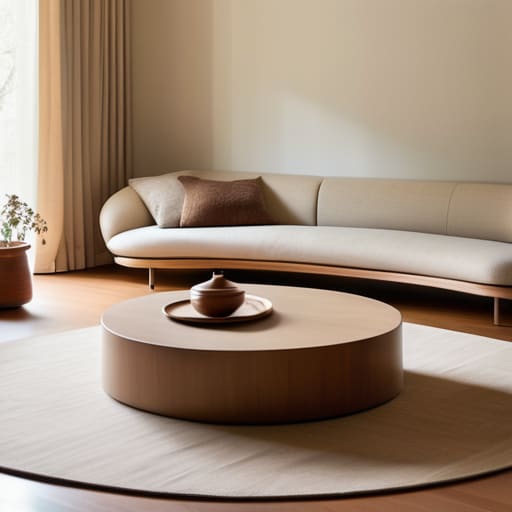
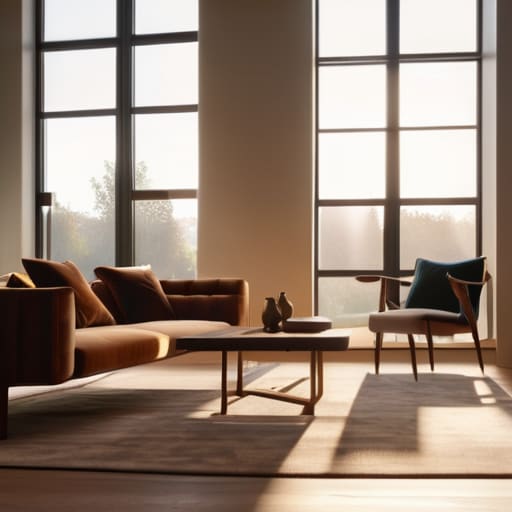
When we talk about spatial flow, we aren’t just moving furniture; we are programming the very geometry of our peace. I’ve always found that the sharp, jagged edges of a cluttered room act like digital noise, disrupting your internal processor. To truly master creating a calming home sanctuary, you have to look at the architecture of your space through a lens of intentionality. Instead of letting your belongings drift in a chaotic orbit, try to ground them using soft, organic curves or a structured, radial layout. Think of it as designing a user interface for your living space—one that guides your eye toward stillness rather than distraction.
By prioritizing minimalist decor for mental clarity, you strip away the visual static that keeps your brain in high-gear mode. I love experimenting with how furniture placement can create “zones of serenity,” much like how we layer textures in a VR environment to define a digital landscape. When you align your seating to face a window or a focal point of natural beauty, you aren’t just decorating; you are optimizing your biological hardware for deep rest. It’s about crafting a physical algorithm that whispers to your nervous system: all systems are nominal.
Cozy Room Layout Ideas for Seamless Human Tech Harmony
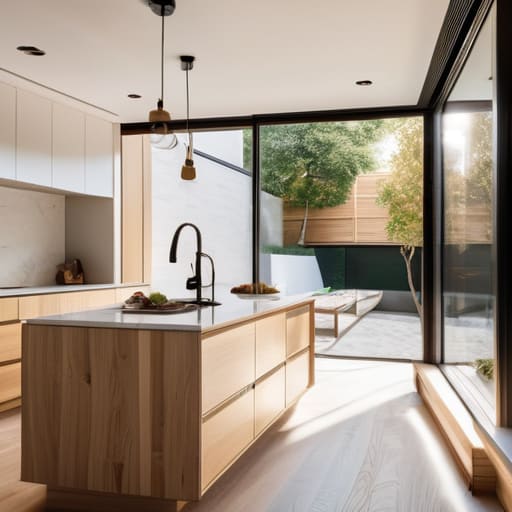
When we talk about arranging your physical space, we shouldn’t just think about furniture placement; we should think about optimizing your personal user interface. To achieve true cozy room layout ideas that actually work, I suggest moving away from the rigid, grid-like structures of the past. Instead, try creating “activity nodes”—small, intentional clusters where technology and comfort collide. Imagine a reading nook that isn’t just a chair, but a high-fidelity sensory zone where a soft, ergonomic lounge paired with smart, ambient lighting creates a pocket of stillness amidst the digital noise.
The goal is to minimize friction between your physical body and your digital tools. I’m a huge advocate for minimalist decor for mental clarity, which means hiding those messy tangles of wires and sleekly integrating your tech into the room’s flow. Think of your desk not as a workstation, but as a command center for creativity that transitions seamlessly into a relaxation station. By curating your environment to prioritize sensory elements for relaxation—like tactile fabrics paired with haptic-friendly surfaces—you aren’t just decorating; you are architecting a lifestyle that feels light-years ahead of the curve.
Hacking Your Sensory Interface: 5 Protocols for Deep Relaxation
- Calibrate Your Chromatic Spectrum: Ditch those harsh, clinical overhead lights that feel like a landing strip on a distant moon. Instead, deploy smart ambient lighting that allows you to shift your room’s wavelength toward warmer, sunset hues, effectively tricking your biological clock into a state of low-power, peaceful mode.
- Curate Your Sonic Atmosphere: Silence isn’t always the answer; sometimes, the void is too heavy. Integrate a high-fidelity soundscape—think lo-fi beats or generative ambient textures—to create a digital acoustic cocoon that masks the chaotic static of the outside world.
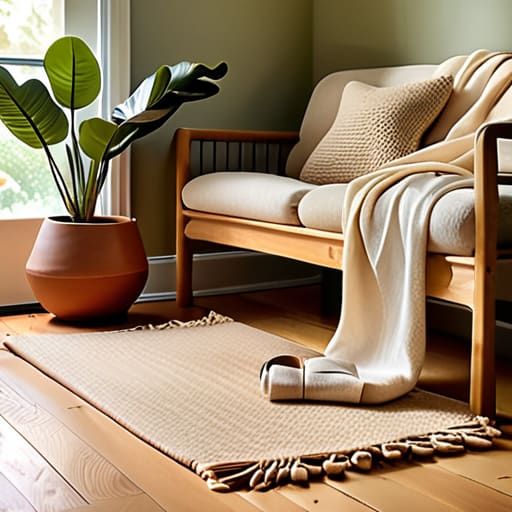
- Optimize Your Tactile Feedback: In a world dominated by cold glass and sleek metal, your physical environment needs soul. Layer in high-texture elements like heavy woven throws or organic linen to ground your sensory input, ensuring your physical “hardware” feels supported and comforted.
- Implement a Digital Decompression Zone: Designate a specific sector of your room as a “no-signal” zone. By physically distancing your primary relaxation hub from your high-bandwidth workstations, you prevent your brain from constantly idling in “productivity mode” when you’re trying to recharge.
- Integrate Biophilic Tech: Don’t just settle for a lonely succulent; think of greenery as living, breathing decor that bridges the gap between the organic and the synthetic. Using smart planters that monitor soil hydration can turn your indoor jungle into a seamless, low-maintenance extension of your personal ecosystem.
Engineering Your Personal Orbit
As we wrap up this deep dive into spatial architecture, remember that creating a sanctuary isn’t about buying the flashiest gadgets; it’s about the intentional fusion of geometry and tech. We’ve explored how to use purposeful layouts to guide your energy and how to integrate smart systems so they serve your peace rather than disrupting it. By balancing the tactile warmth of your physical environment with the seamless utility of modern innovation, you aren’t just decorating a room—you are optimizing your biological interface with the world around you. Every choice, from the curve of a chair to the warmth of a smart bulb, is a data point in your journey toward true domestic equilibrium.
Looking toward the horizon, I see a future where our living spaces act as intuitive extensions of our very souls. Don’t be afraid to experiment, to tinker, and to treat your home as a living, breathing prototype of your ideal life. The cosmos is vast and chaotic, but your personal sanctuary can be a steady, luminous beacon of order and beauty. Go forth and architect your serenity, because when you master your immediate environment, you unlock the capacity to conquer the digital frontiers ahead. The future isn’t just something that happens to us; it is something we build, one curated room at a time.
While you’re fine-tuning the physical architecture of your sanctuary, don’t forget that true relaxation often requires a mental shift away from the heavy gravity of your daily grind. Sometimes, the most effective way to recalibrate your neural pathways is to engage in low-stakes, high-connection social exploration that breaks the monotony of your routine. I’ve found that finding a digital space to simply be yourself without the weight of real-world expectations can be a total game-changer for your headspace; for instance, diving into free chat rooms for adults can offer that much-needed sense of spontaneous human connection that keeps your social circuits from feeling too isolated in your high-tech cocoon.