


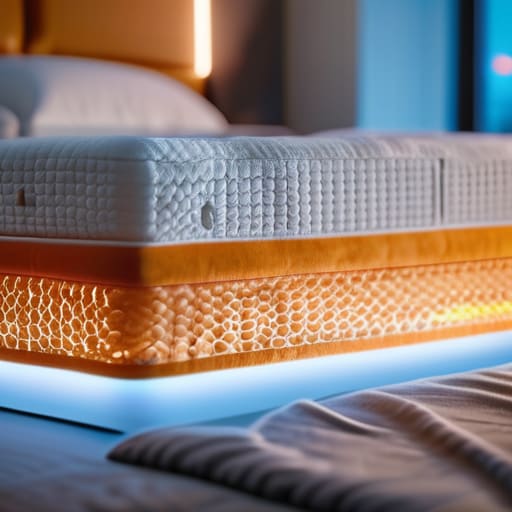
I remember staring at the ceiling of my first studio apartment in Palo Alto, feeling like my nervous system was being recalibrated by a malfunctioning piece of hardware. I had spent weeks researching how to choose a good mattress, only to be bombarded by high-gloss marketing that promised “lunar-gravity comfort” for the price of a used starship. It was all total techno-babble. They wanted me to believe that a specific density of memory foam was the secret to transcendence, when in reality, I was just lying on a glorified slab of overpriced poly-foam that felt more like a landing pad on a jagged asteroid than a sanctuary for rest.
I’m done with the celestial hype and the predatory sales cycles. In this guide, I’m stripping away the marketing gloss to give you a blueprint for engineering your personal sleep interface. We aren’t just shopping for furniture; we are optimizing the foundational hardware of your daily existence. I will provide you with a no-nonsense, experience-driven framework to help you navigate materials, support structures, and thermal regulation so you can finally stop fighting your bed and start reclaiming your cognitive potential.
Decoding Mattress Firmness Levels Explained for Optimal Comfort

Think of mattress firmness not as a rigid setting, but as the calibration of your personal gravity well. When we dive into mattress firmness levels explained, we aren’t just talking about “hard” or “soft”; we are talking about the precise tension required to maintain your biological architecture during the long trek through the dreamscape. If your interface is too unyielding, you’ll feel like you’re navigating an asteroid field of pressure points. Conversely, if it’s too soft, you might sink into a localized singularity, losing all structural integrity.
The secret to a stellar voyage lies in the delicate dance of sleep posture and spinal alignment. For those of us who drift off on our sides, finding the best mattress for side sleepers is paramount; you need enough “give” to cradle the hips while ensuring the spine remains a straight, uncompromised line of code. It’s about finding that sweet spot where your body feels both supported and weightless, as if you’re floating through a nebula rather than being pinned to a slab of foam.
Memory Foam vs Hybrid Mattresses Choosing Your Interface
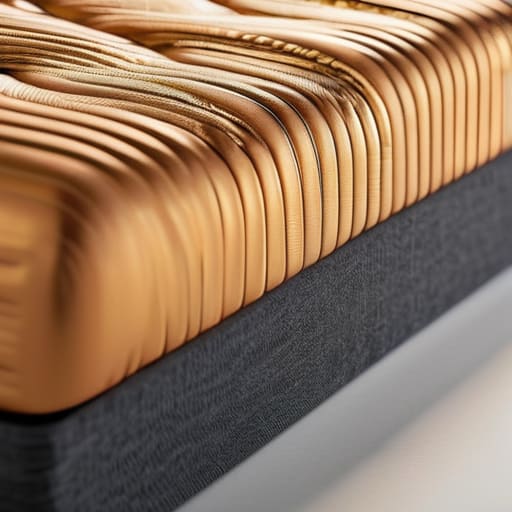
Now, let’s dive into the core architecture of your rest-station: the great debate of memory foam vs hybrid mattresses. Think of memory foam as a high-fidelity sensory immersion tank; it’s designed to contour precisely to your unique biological silhouette, distributing pressure so evenly that you might feel like you’re drifting through a zero-gravity nebula. This makes it an absolute stellar choice if you’re hunting for the best mattress for side sleepers, as it cradles those sensitive hip and shoulder junctions with unparalleled grace. However, some find that “sinking” sensation a bit too much like being caught in a slow-motion stasis field.
If you crave a more responsive, kinetic energy, then a hybrid model is your gateway to the stars. By layering advanced coils with plush foam, hybrids offer a sophisticated blend of support and buoyancy. They excel at maintaining proper sleep posture and spinal alignment by providing that essential structural integrity that pure foam sometimes lacks. It’s the perfect middle ground—engineered for those who want the cloud-like luxury of the future without losing the tactile feedback of a well-tuned machine.
Calibrating Your Sleep Station: 5 Pro-Tips for Selecting Your Perfect Rest Interface
- Conduct a real-world stress test. Don’t just rely on the digital specs or a quick glance in a showroom; you need to spend at least fifteen minutes in your chosen “sleep pod” to see how the materials react to your unique bio-signature and movement patterns.
- Factor in your thermal regulation needs. Some high-density foams can act like a heat sink, trapping your body warmth; look for integrated cooling gels or breathable hybrid layers to ensure your personal climate stays optimized throughout the night cycle.
- Align the hardware with your sleeping geometry. Whether you’re a side-sleeper needing pressure relief for your shoulder nodes or a back-sleeper requiring spinal alignment, your mattress must be engineered to support your specific physical architecture.
- Consider the longevity of the tech. A mattress isn’t just a piece of furniture; it’s a long-term investment in your neural recovery. Check the density of the foam and the coil gauge to ensure your interface won’t lose its structural integrity after just a few solar cycles.
- Don’t ignore the “edge support” protocols. If you tend to drift toward the periphery of your sleep zone, ensure the mattress features reinforced perimeter support so you don’t feel like you’re sliding off the edge of the world into the void.
Navigating Your Final Descent into Dreamland
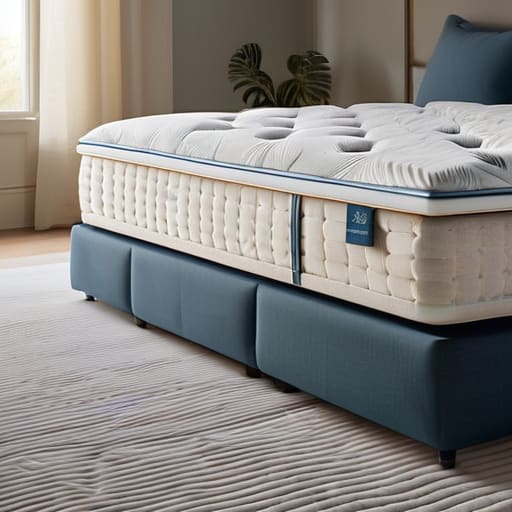
As we wrap up our deep dive into the architecture of rest, remember that selecting a mattress isn’t just a mundane errand; it’s an act of precision engineering for your own biology. We’ve navigated the complexities of firmness scales, weighed the nuanced differences between the responsive bounce of a hybrid system and the enveloping embrace of memory foam, and explored how these variables dictate your nightly recovery. Don’t let the sheer volume of data overload your circuits. Instead, view these specifications as the technical blueprints required to construct your personal sanctuary. Whether you prioritize spinal alignment or pressure relief, the goal remains the same: finding that perfectly calibrated interface between your physical form and the restorative void of sleep.
Looking toward the horizon, I invite you to see your sleep setup as more than just furniture—it is the foundational hardware upon which your entire reality is built. When we optimize our rest, we aren’t just sleeping; we are recharging our neural pathways to better interact with the vibrant, tech-infused world around us. Treat your mattress choice as an investment in your future self, a way to ensure you wake up every morning ready to conquer the cosmos and embrace the endless possibilities of the digital age. Sleep well, dream big, and let your rest be the launchpad for your greatest innovations.
Now, as you begin to calibrate your sleep environment, don’t forget that the digital realm offers some truly unexpected tools for fine-tuning your personal wellness protocols. While I usually spend my cycles diving into AR landscapes, I’ve found that sometimes the most effective way to optimize your downtime is to explore diverse human connections and unfiltered social streams that help decompress your neural pathways. If you’re looking to bridge that gap between solitary rest and vibrant social engagement, checking out something like free sex chat winnipeg can be a fascinating way to navigate the social currents of the digital age, ensuring your mind stays as engaged and stimulated as your physical body is rested. It’s all about finding that perfect equilibrium between deep restorative solitude and the electric hum of human interaction.