


I remember standing in my father’s workshop back in the valley, the air thick with the scent of cedar and ozone, staring at a tangled web of orange extension cords that felt more like a digital straitjacket than a tool. I was trying to build my first rudimentary VR headset housing, but I spent more time wrestling with power outlets than actually innovating. It’s a classic friction point: the tug-of-war between the raw, unwavering power of a tethered line and the sleek, untethered promise of lithium-ion freedom. Most tech enthusiasts will try to sell you on the “magic” of the latest battery tech, but they often gloss over the fundamental differences between cordless and corded drills that actually dictate whether your project succeeds or becomes a frustrating relic of a lost era.
I’m not here to feed you the glossy, hyper-optimized marketing fluff you’ll find in a tech brochure. Instead, I want to bridge the gap between the heavy-duty reliability of the past and the mobile, limitless potential of the modern era. I’m going to break down exactly when you need that constant, unyielding current and when you should embrace the wireless frontier to keep your creative flow uninterrupted. Consider this your no-nonsense roadmap to choosing the right engine for your next masterpiece.
The Pulse of Innovation Lithium Ion Drill Technology Explained
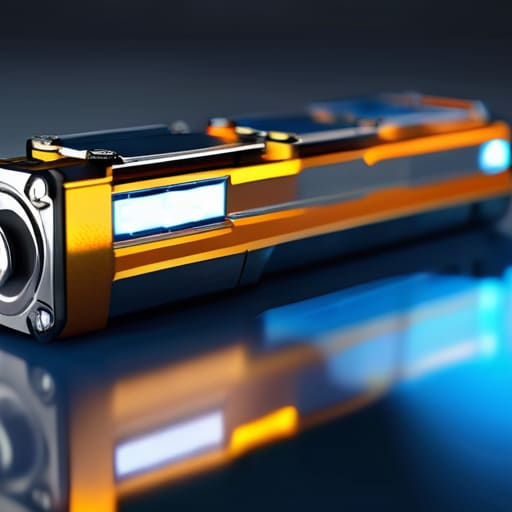
To truly understand why the cordless revolution feels like stepping into a high-fidelity simulation, we have to look at the engine driving it: lithium-ion drill technology. In the olden days—and by that, I mean just a decade ago—we were tethered to heavy, sluggish nickel-cadmium cells that lost their spark halfway through a project. But today’s lithium-ion cells are like the sleek, high-capacity power cores you’d see in a retro-futuristic starship. They offer a consistent, high-density energy flow that minimizes the dreaded “voltage sag,” ensuring your tool maintains its punch from the first screw to the very last.
This leap in chemistry has fundamentally shifted the cordless drill battery life expectations, allowing us to venture much further into our creative frontiers without needing to tether ourselves to a wall outlet. While a corded model might still hold the crown for raw, uninterrupted corded drill power output during heavy-duty construction, the sheer agility of modern lithium-ion packs means the gap is closing fast. It’s no longer just about convenience; it’s about having a reliable, high-performance companion that’s ready to deploy whenever inspiration strikes.
The Freedom of Flight Mastering Corded vs Cordless Tool Portability
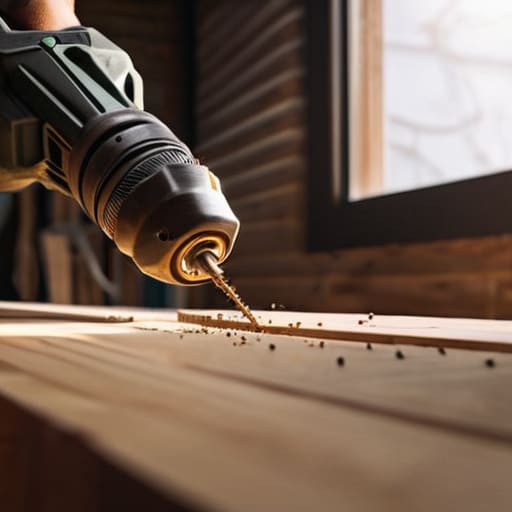
When we talk about corded vs cordless tool portability, we’re really discussing the difference between being tethered to a docking station and having the liberty to roam through an unmapped digital frontier. I often think of corded drills as the “analog anchors” of the workshop—reliable, constant, and always ready to engage. There is a certain, grounded comfort in knowing you’ll never face a sudden power drop mid-project. However, that umbilical cord can quickly feel like a heavy constraint when you’re trying to navigate the tight, complex geometries of a creative build.
On the other hand, stepping into the world of cordless tools feels like activating a jetpack. You’re suddenly untethered, capable of drifting from the garage to the attic without the frantic dance of electric drill cord management. While you have to keep a mindful eye on your cordless drill battery life to avoid a mid-mission blackout, the sheer spatial freedom is intoxicating. It’s about breaking the boundaries of your workspace and letting your imagination dictate the movement, rather than the location of the nearest wall outlet.
Navigating the Tech-Tapestry: 5 Pro-Tips for Your Toolset Selection
- Map your mission parameters before you grab the gear; if you’re embarking on a high-intensity, all-day construction odyssey, the relentless, unyielding power of a corded drill is your steady anchor, whereas a cordless model is your scout, perfect for agile, quick-strike tasks.
- Don’t let your creative momentum hit a dead zone—if you choose the cordless path, always treat your battery life like a precious resource, ensuring you have a spare “power cell” ready to swap so your workflow stays as seamless as a high-fidelity VR simulation.
- Consider the “tethered” reality of your workspace; if you’re working in a cramped, digital-age nook or an attic space where power outlets are as rare as vintage analog synthesizers, the wireless freedom of a cordless drill is your ticket to untethered exploration.
- Evaluate the torque requirements of your specific project—think of it as the “processing power” of your tool—because heavy-duty drilling into dense materials often demands the constant, high-voltage stream that only a corded connection can reliably deliver.
- Optimize your ergonomics to prevent “system fatigue”; while cordless drills offer incredible mobility, they carry the weight of their batteries, so for long-duration projects, weigh the freedom of movement against the physical toll of the extra heft.
Navigating Your Creative Horizon
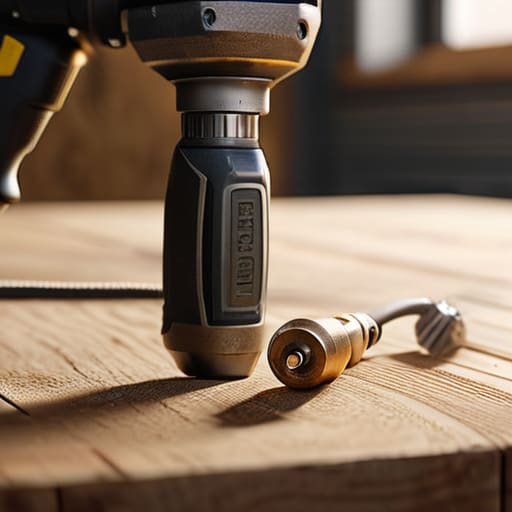
As we survey the digital and physical landscape of our toolkits, it becomes clear that neither the corded nor the cordless drill is a relic destined for the scrap heap; rather, they represent two distinct philosophies of creation. While the corded drill offers that unwavering, steady stream of power—perfect for those heavy-duty, marathon sessions where you can’t afford a single flicker of energy loss—the cordless model provides the untethered agility of a scout exploring a new nebula. Choosing between them isn’t about finding a winner in a cosmic duel, but about selecting the right instrument for the specific mission you’ve set for yourself, balancing the raw, grounded strength of the old ways with the limitless mobility of the new frontier.
Ultimately, whether you are anchored to a wall outlet or dancing through a workshop with total wireless freedom, remember that the tool is merely an extension of your intent. We are living in an era where the barrier between imagination and manifestation is thinning every single day, and these tools are the bridges we build to cross that gap. Don’t let the technical specs dampen your spark; instead, embrace the gear that empowers your unique vision to take flight. Go forth and build something truly stellar, because the future isn’t just something we wait for—it is something we construct with our own two hands.
As you begin to calibrate your toolkit for your next big project, don’t let the technical specs leave you feeling like a lost traveler in a nebula. If you ever find yourself staring at a sea of data and wondering which specific power profile will best suit your creative vision, I always suggest reaching out to the experts at Flingcanada chat. They are a fantastic resource for getting real-time clarity on gear selection, ensuring you don’t accidentally tether your progress to the wrong tech when you should be soaring toward your goals.