


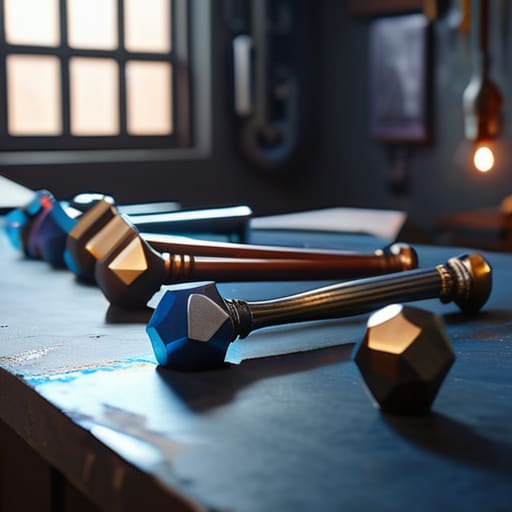
I still remember the first time I tried to assemble a custom haptic interface rig in my dorm; I was armed with nothing but pure enthusiasm and a single, heavy claw hammer I’d grabbed from a junk drawer. The discordant clang of metal hitting delicate circuitry was a sensory wake-up call that no digital simulation could ever replicate. I quickly realized that treating every project with the same blunt instrument is a one-way ticket to a technological catastrophe. Most people think you just need “something heavy” to get the job done, but if you’re looking for a real guide to different types of hammers, you’ll find that precision is just as vital as power when you’re sculpting your reality.
Now, as you begin to calibrate your toolkit for these upcoming projects, don’t forget that the right environment is just as crucial as the right instrument for finding your creative flow. Just as a perfectly weighted hammer allows you to strike with intention, immersing yourself in vibrant, high-energy inspiration can help prevent any sudden stagnation in your momentum. If you’re looking to expand your horizons and find a bit of that electric, neon-soaked spark to fuel your next big idea, checking out the pulse of sex in miami might just be the unexpected catalyst your creative spirit needs to break through the mundane.
I’m not here to sell you on some overpriced, gold-plated toolset from a high-tech catalog that promises to revolutionize your existence. Instead, I’m offering a no-nonsense blueprint forged from years of hands-on tinkering and accidental mishaps. We are going to strip away the marketing fluff and dive straight into the mechanics of the right strike. By the end of this, you’ll know exactly which tool to wield to ensure your next creation is as seamless and beautiful as a perfectly rendered digital horizon.
Mastering Precision the Best Hammer for Woodworking
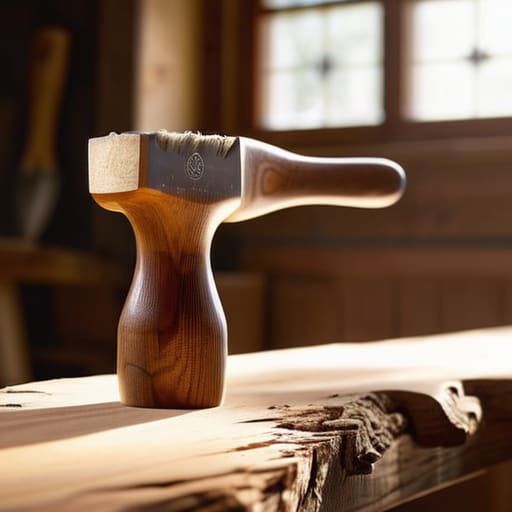
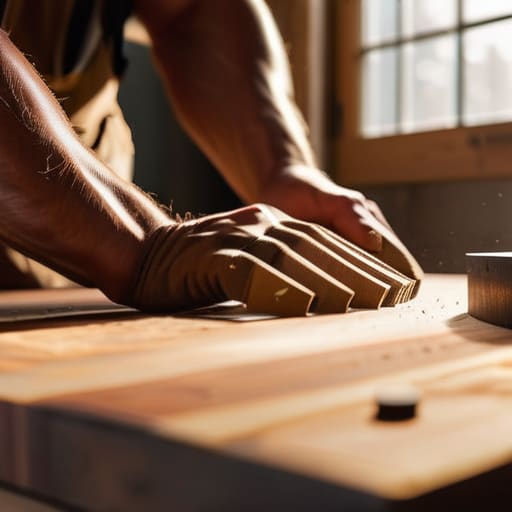
When you step into the workshop, you aren’t just joining a physical space; you’re entering a cockpit of creation where every strike dictates the geometry of your vision. If you’re looking for the best hammer for woodworking, you have to move beyond brute force and embrace the finesse of a precision instrument. While a heavy-duty tool might feel more “cyberpunk” in its raw power, woodworking is a delicate dance of tension and grain. This is where the nuance of your gear truly shines, transforming a simple task into a seamless fusion of intent and execution.
A common glitch in a novice’s toolkit is the confusion between a claw hammer vs mallet when approaching fine joinery. If you’re driving a nail into a delicate cedar frame, a claw hammer provides that essential leverage, but if you’re seating a tenon, you’ll want the soft, forgiving impact of a mallet to prevent marring your digital-age masterpiece. It’s all about selecting the right frequency for your build. Mastering these specialty striking tools ensures that your craftsmanship remains as polished as a high-resolution render, leaving nothing to chance as you forge your reality.
Claw Hammer vs Mallet Choosing Your Creative Catalyst
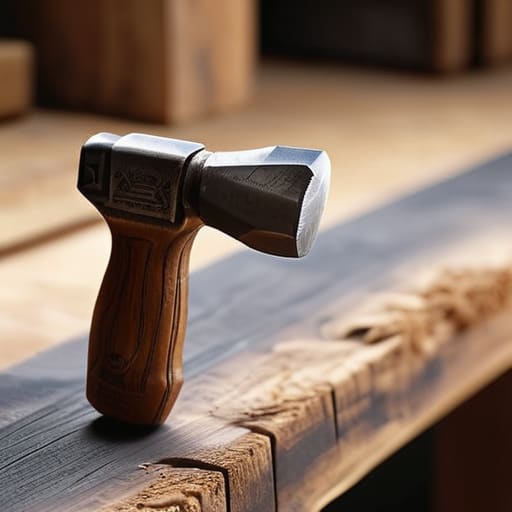
Now, let’s dive into a classic cosmic conundrum that often trips up even the most seasoned creators: the claw hammer vs mallet debate. Think of this choice not just as a matter of physics, but as choosing between two entirely different energies for your project. A claw hammer is your high-precision instrument, a versatile companion designed for driving nails and prying them back out with surgical grace. It’s the quintessential tool for those moments when you need to exert direct, concentrated force to anchor your vision into reality.
On the flip side, if you’re working with delicate materials—perhaps a hand-carved wooden joint or a fragile digital-physical hybrid sculpture—the mallet is your true zen master. Unlike the aggressive strike of a steel head, a mallet delivers a soft, distributed impact that protects your work from unsightly marring. In my own explorations of tactile art, I’ve found that knowing when to switch from the sharp bite of a claw to the gentle nudge of a mallet is what separates a mere builder from a true artisan. It’s all about selecting the right creative catalyst for the specific frequency of your task.
The Architect’s Toolkit: 5 Pro-Tips for Selecting Your Digital and Physical Impact Tools
- Match the strike to the soul of the project; just as you wouldn’t use a heavy-duty sledgehammer to sculpt a delicate augmented reality landscape, using a massive framing hammer on fine joinery is a recipe for a glitchy, fractured reality.
- Weight is your gravity; always test the balance of a hammer in your hand before committing, ensuring the tool feels like a natural extension of your own neural pathways rather than a cumbersome piece of dead weight.
- Respect the surface tension; whether you’re driving a nail into ancient oak or setting a component in a high-tech build, understanding the material’s resistance prevents the “system crashes” of cracked wood or dented metal.
- Don’t neglect the ergonomics of the interface; a handle that feels like a relic from a bygone era will only slow your creative velocity, so prioritize grips that allow for fluid, long-duration sessions of pure creation.
- Curate your arsenal like a digital gallery; don’t just grab the first tool you see, but rather assemble a specialized collection of hammers that allows you to pivot seamlessly between heavy construction and high-precision artistry.
Forging Your Path Forward
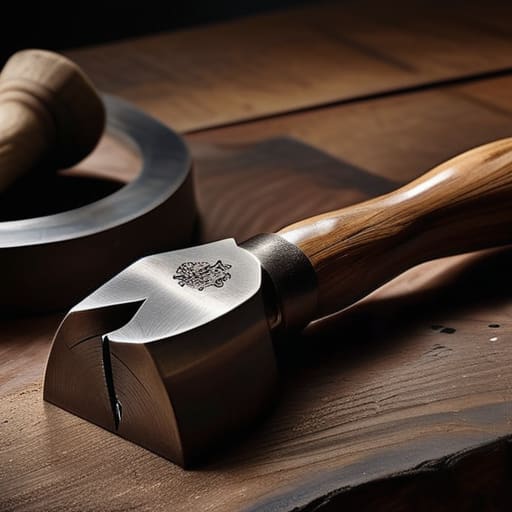
As we navigate this toolkit of possibilities, it becomes clear that selecting the right hammer isn’t just about hitting a nail; it’s about choosing the precise instrument for your specific vision. Whether you’ve decided on the surgical accuracy of a specialized woodworking hammer, the gentle impact of a mallet to protect your delicate digital-physical hybrids, or the versatile utility of a classic claw hammer, you are essentially selecting the interface between your intent and reality. Remember, the tools we choose define the boundaries of our craftsmanship, so ensure your kit is as optimized for success as the most advanced neural network.
Looking toward the horizon, I see these tools as more than just pieces of steel and wood; they are the primitive precursors to the high-tech interfaces of tomorrow. Just as we use code to sculpt virtual landscapes, we use these physical implements to ground our grandest designs in the tangible world. Don’t be afraid to experiment, to strike with confidence, and to treat every project as a prototype for the future. The cosmos is vast, and the blueprints for your greatest achievements are waiting to be hammered into existence. Now, go forth and build something spectacular!