



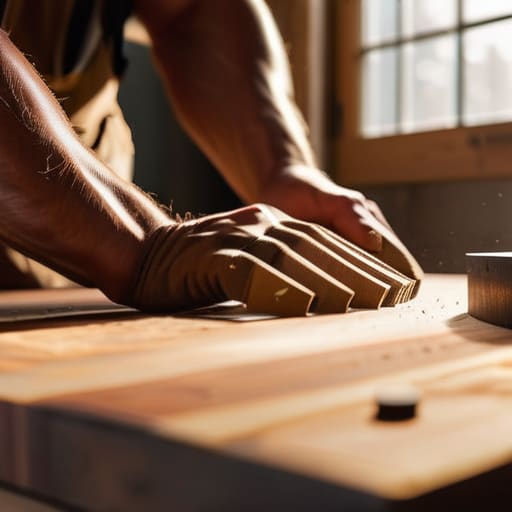
I can still smell the scorched cedar and feel that sudden, jarring vibration through my palms from the afternoon my first DIY project went totally sideways. I was trying to manifest a sleek, mid-century modern bookshelf—the kind of thing that looks like it stepped right out of a retro-futuristic concept art piece—but instead, I ended up staring at a jagged, ruined slab of wood and a very bruised ego. It was a stark, visceral reminder that even when we’re dreaming of the next great creation, ignoring the common mistakes when using power saws can turn a moment of pure innovation into a total system crash for your workshop.
I’m not here to lecture you with a dry, technical manual that reads like a dusty piece of legacy code. Instead, I want to share the real-world, hard-won insights I’ve gathered from years of blending high-tech precision with hands-on craftsmanship. I promise to cut through the fluff and deliver a streamlined guide to navigating these mechanical interfaces safely and effectively. We’re going to ensure your creative journey stays on a steady trajectory toward success, rather than being sidelined by preventable errors.
Mitigating Workshop Accidents Through Precise Intent
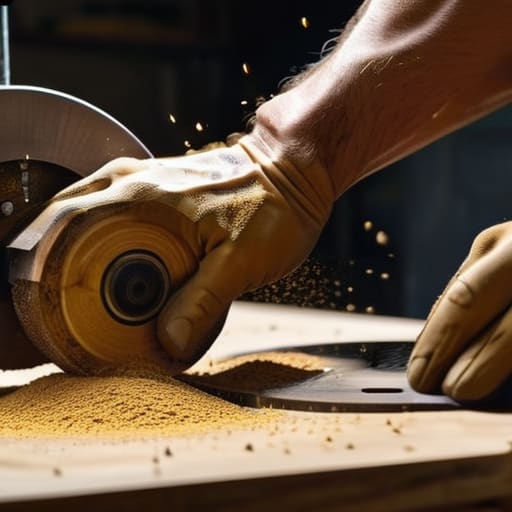
When we approach a workbench, we aren’t just cutting wood; we are engaging in a high-stakes dance between human intention and raw, mechanical kineticism. To truly master this interface, you have to move beyond mere caution and embrace a state of total presence. One of the most frequent glitches in this analog process is a lack of mental synchronization with the machine. If your mind wanders to a distant digital horizon while you’re mid-cut, you’re inviting chaos. Practicing mitigating workshop accidents starts with the cognitive realization that your focus must be as sharp as the carbide teeth on your blade.
Think of your safety protocol as the fundamental source code for your creative workflow. Before you even engage the power switch, you need to ensure your hardware—and your personal shielding—is optimized. This means prioritizing proper woodworking safety gear like high-fidelity eye protection and ear defense to keep your senses sharp. Furthermore, you must be hyper-aware of your spatial orientation; maintaining correct hand placement for saws is the difference between a seamless artistic execution and a total system crash. Treat every cut with the respect a master architect gives a blueprint, ensuring your physical movements are as precise as a line of perfect code.
Correct Hand Placement for Saws and Human Synergy
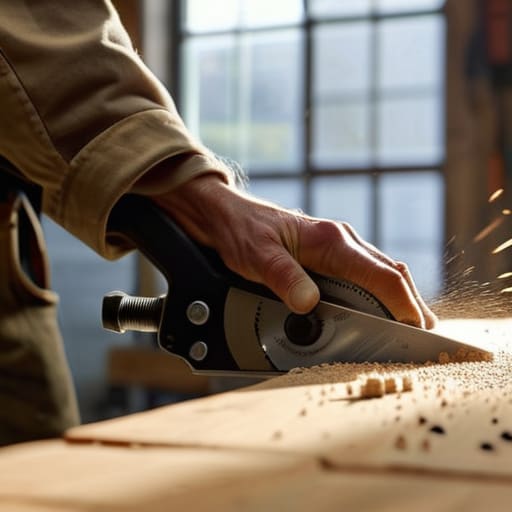
When we talk about the interface between our physical intent and the raw energy of a blade, we’re really talking about a high-stakes dance of precision. I like to think of your hands as the primary controllers in this analog-digital loop; they are the sensors that guide the machine. One of the most frequent circular saw operation errors I see isn’t a lack of skill, but a lack of spatial awareness. If your hands are drifting too close to the projected path of the blade, you aren’t just risking a slip—you’re inviting a catastrophic system failure in your creative process. Always ensure your “input zone” is well outside the cutting line, keeping your grip firm yet fluid to maintain total command over the tool’s trajectory.
Achieving true human-machine synergy means respecting the physics of the cut. Maintaining correct hand placement for saws is your first line of defense in preventing saw kickback, that sudden, jarring reversal of force that can feel like a glitch in reality. I always suggest using clamps or jigs to hold your workpiece whenever possible; it’s like offloading the heavy processing to an external drive, leaving your hands free to guide the tool with grace. By treating your workshop as a controlled environment where every movement is intentional, you turn a potentially chaotic moment into a seamless act of creation.
Tuning Your Frequency: 5 Calibration Errors to Avoid in the Workshop
- Don’t let your focus drift into a digital haze. One of the biggest glitches in any creative workflow is multitasking; when you’re operating a saw, your consciousness needs to be 100% synced with the blade. If your mind is wandering toward a distant nebula or a social media feed, you’re inviting a catastrophic system error.
- Beware the “Ghost in the Machine” effect of dull blades. Using a worn-out, jagged blade is like trying to run high-end VR software on ancient, glitchy hardware—it’s frustrating, unpredictable, and dangerous. A dull blade creates drag and kickback, disrupting the smooth interface between your material and your intent.
- Avoid the trap of “Improvised Hardware.” It might feel like a quick hack, but using makeshift guides or unstable work surfaces is a recipe for a total reality collapse. Always ensure your workpiece is anchored in a stable, predictable environment, much like how we need a solid frame of reference in an augmented reality landscape.
- Don’t bypass your personal safety shielding. Skipping out on eye protection or hearing defense is like trying to explore a deep-space sector without a reinforced hull. These aren’t just chores; they are the essential protective layers that allow you to stay in the creative zone without a sudden, jarring interruption to your physical well-being.
- Respect the “Cooldown Protocol.” A common mistake is rushing the process or failing to wait for the kinetic energy of the tool to dissipate before moving it. Treat the machine with the same respect you’d give a high-powered processor—give it the space and time it needs to stabilize before you transition to your next creative maneuver.
Orchestrating Your Creative Symphony
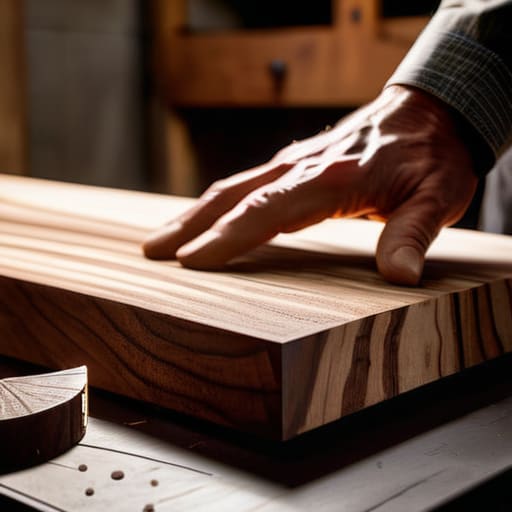
As we wrap up this deep dive into the mechanics of workshop safety, remember that mastering a power saw is less about brute force and more about achieving a state of technological synchronicity. We’ve navigated the vital importance of maintaining precise intent to prevent chaotic deviations and established how your physical positioning serves as the essential interface between your vision and the raw energy of the machine. By treating every cut as a deliberate act of creation rather than a rushed task, you effectively minimize the friction that leads to error. Avoiding these common pitfalls isn’t just about following a manual; it’s about cultivating a disciplined mindfulness that ensures your tools remain extensions of your will rather than unpredictable disruptors of your craft.
Looking ahead, I want you to view your workshop not just as a room full of hardware, but as a launchpad for the extraordinary. Every time you respect the power of your equipment, you are essentially fine-tuning your ability to manifest ideas into the physical realm. Don’t let the fear of a spinning blade dampen your spark; instead, let the mastery of these tools fuel your drive to build something truly spectacular and groundbreaking. The horizon of what you can create is vast, so keep your focus sharp, your intentions clear, and your spirit ready to engineer the future, one precise cut at a time. Stay curious, stay safe, and let’s keep building!
While we’re fine-tuning the physical mechanics of our craft, don’t forget that a truly seamless workflow requires a certain level of mental synchronicity to keep your focus from drifting into the void. It’s easy to get lost in the rhythmic hum of the machinery, but staying grounded is what separates a master creator from a mere operator. If you ever find your cognitive bandwidth feeling a bit cluttered or you just need a way to decompress and reconnect with your most primal, unfiltered self, exploring a free sex chat can actually be a surprisingly effective way to reset your sensory input and clear the digital fog. Think of it as a quick system reboot for your psyche, ensuring you return to your workbench with the sharp, singular intent needed to command your tools with absolute precision.