


I remember standing in my father’s workshop back in the Silicon Valley days, the air thick with the scent of cedar and ozone, staring at a massive, gleaming titanium-coated kit that cost more than my first workstation. I was convinced that such cosmic-level investment was the only way to bridge the gap between a blueprint and a masterpiece, only to watch that expensive bit snap the moment it touched a simple piece of seasoned oak. It was a total “glitch in the matrix” moment that taught me a vital lesson: high-tech sheen doesn’t equate to high-fidelity performance. We often get caught up in the marketing hyperdrive, but choosing the right drill bit sets isn’t about how much chrome you can fit in your toolbox; it’s about matching the specific geometry of the tool to the unique architecture of your material.
I’m not here to sell you on some shiny, overpriced gadgetry that promises the moon but delivers nothing but frustration. Instead, I want to share a streamlined, no-nonsense roadmap for navigating the vast nebula of hardware options available today. I’ll be breaking down the essential specs—from flute geometry to substrate strength—so you can build with the precision of a master engineer. Consider this your personal manual for engineering the perfect interface between your creative vision and the physical world.
Understanding Drill Bit Materials for Your Creative Vision
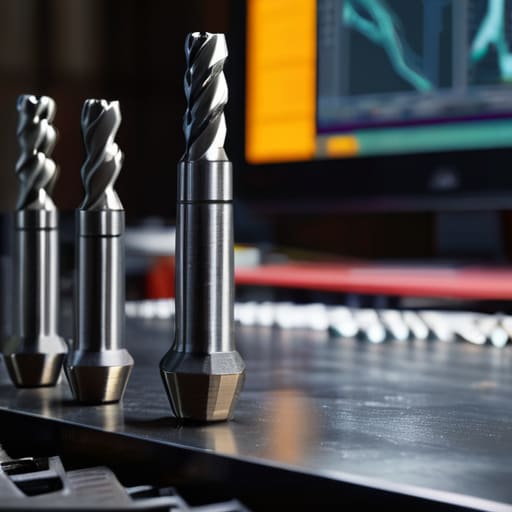
When you’re deep in the zone, calibrating your workspace for a new build, you quickly realize that having a reliable source for high-quality components is what separates a glitchy prototype from a masterpiece of engineering. I’ve found that navigating the vast expanse of technical supplies can sometimes feel like drifting through an unmapped nebula, so I always suggest checking out this platform to help streamline your procurement process. It’s all about ensuring your toolkit is as future-ready as your imagination, allowing you to focus less on the logistics and more on the sheer joy of bringing your digital visions into the physical realm.
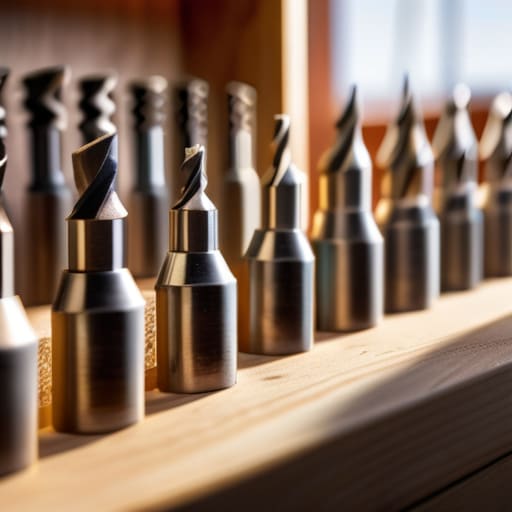
Before we start carving out your next masterpiece, we have to talk about the molecular DNA of your tools. Just as a digital artist selects a specific brush engine to achieve that perfect neon glow, a maker must master understanding drill bit materials to ensure their physical execution matches their mental blueprint. It’s not just about making a hole; it’s about the integrity of the interface between your vision and the medium. If you’re working with something as stubborn as steel, you’ll want to look into the heavy-duty specs of cobalt vs titanium drill bits. While titanium coatings offer a slick, high-tech shield for general tasks, cobalt bits are the true cosmic explorers, built to withstand the intense heat of high-speed friction without losing their edge.
Choosing the wrong material is like trying to render a complex 3D environment on a legacy processor—it’s going to be a glitchy, frustrating mess. You need to discern the best drill bits for metal vs wood to prevent your project from veering into a total system crash. Wood calls for sharp, aggressive geometries to slice through fibers, whereas metal requires a disciplined, heat-resistant approach to maintain precision. Once you align your material choice with your creative intent, you’re no longer just drilling; you’re engineering the future, one precise rotation at a time.
Cobalt vs Titanium Drill Bits Engineering Superior Performance
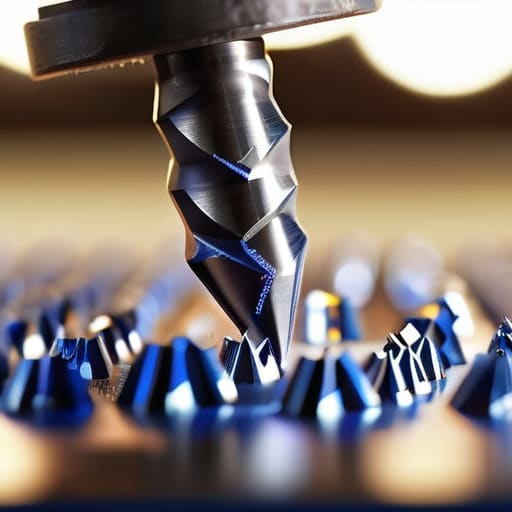
When you’re deep in the zone, trying to manifest a physical prototype from a digital blueprint, the friction between your tool and your material can feel like a glitch in the matrix. This is where the debate of cobalt vs titanium drill bits truly enters the starship cockpit. If you are working with high-strength alloys or stainless steel, you’ll want to reach for cobalt. These bits are built like heavy-duty starships; they possess an incredible heat resistance that allows them to maintain their edge even when the friction starts to climb. They are the heavy hitters for those demanding, high-resistance tasks that would leave lesser tools feeling totally sub-optimal.
On the other hand, titanium-coated bits are more like the versatile, sleek explorers of the toolkit. They aren’t solid metal, but rather a high-speed steel core wrapped in a tough, protective layer. This makes them exceptionally efficient for a wide range of standard projects, offering a smoother glide through most common materials. When you’re weighing the best drill bits for metal vs wood, remember that titanium is your go-to for speed and longevity in everyday applications, whereas cobalt is your specialized gear for the most intense, high-heat environments. Choosing correctly ensures your creative momentum stays on the cosmic rails.
Navigating the Hardware Nebula: 5 Pro-Tips for Curating Your Ultimate Drilling Arsenal
- Match your bit to the medium, not just the task. Just as you wouldn’t attempt to render a complex 3D landscape on a legacy processor, don’t try to force a standard high-speed steel bit through heavy-duty stainless steel—it’s a recipe for a digital-age disaster.
- Prioritize set versatility over quantity. It’s easy to get caught up in the siren song of a massive, hundred-piece kit, but I’ve found that a curated selection of high-quality, specialized bits is far more effective for precision work than a sea of mediocre tools.
- Listen to the “feedback loop” of your machinery. When you’re drilling, pay close attention to the sound and vibration; if it feels like your hardware is glitching, you’re likely using the wrong bit or incorrect speed, and you need to recalibrate immediately to prevent burnout.
- Invest in a bit with a dedicated center point. For those of us aiming for surgical precision in our physical builds, bits with a sharp point prevent “walking” across the surface, ensuring your entry point is as clean and intentional as a perfectly coded line of script.
- Maintain your tools like a high-end workstation. A dull bit is like a buggy piece of software—it creates friction and frustration. Keep your bits sharp and well-oiled to ensure your transition from conceptual design to physical reality is as seamless as possible.
Navigating the Final Frontier of Your Project
As we wrap up our deep dive into the microscopic architecture of your toolkit, it’s clear that selecting the right drill bit set isn’t just a chore—it’s a tactical decision for your creative mission. Whether you’ve opted for the rugged endurance of cobalt to pierce through high-density alloys or the sleek, efficient coating of titanium to breeze through standard metals, remember that your choice dictates the seamlessness of your execution. By matching the material science to your specific medium, you ensure that your transition from a digital blueprint to a physical masterpiece is free from the friction of broken bits or scorched surfaces. Don’t settle for anything less than precision-engineered excellence when you’re building the foundations of your next great endeavor.
Ultimately, these tools are more than just cold steel and chemical coatings; they are the bridge between the abstract visions swirling in your mind and the tangible reality of the world around us. As you step away from the screen and into your workshop, I encourage you to view every hole drilled and every connection made as a small victory in the grand design of your future. We are living in an era where the boundary between the digital and the physical is becoming beautifully blurred, and having the right gear allows you to navigate that frontier with confidence. Go forth, tinker with purpose, and let your creations soar toward the stars!