


I remember the first time I tried setting the “perfect” mood with smart lights. Picture this: me fumbling with my phone, trying to impress a date with my supposedly high-tech savvy. Instead of a smooth transition to a romantic glow, I accidentally synced the lights to flash like a disco ball. Nothing says “romance” like a seizure-inducing strobe effect, right? It was then I realized that these so-called smart lights were really just a new way for technology to mock my lack of foresight. But, hey, they say learning is a lifelong process, or maybe that’s just something people say when they’re trying to sound wise and not utterly clueless.

Now, if you’re here, you’re probably looking to harness this fickle beast of modern lighting to your advantage. Trust me, you’re not alone. In this article, we’re going to delve into how to bend smart lights to your will, crafting everything from a cozy movie night ambiance to a jarring wake-up call that’s more effective than caffeine. We’ll explore focus modes to keep you on task and morning scenes that trick your brain into thinking you’ve got your life together, even if you’re just trying to make it to the weekend. Buckle up, because we’re about to illuminate the path to mood mastery, one flick of the switch at a time.
Table of Contents
An Introduction to how to create different lighting “moods” with smart lights
Alright, so you’ve got your fancy set of smart lights, and now you’re ready to play God with your living room ambiance. But let’s not kid ourselves—this isn’t just about casting a warm glow for your Instagram followers. It’s about manipulating the very essence of your surroundings to match your mood or, better yet, to change it. Imagine the raw power you hold to transform your space from a sterile, lifeless box to a sanctuary of creativity or a cavern of relaxation. And all this with a flick of a switch—or a tap on your phone, because who needs physical effort anymore?
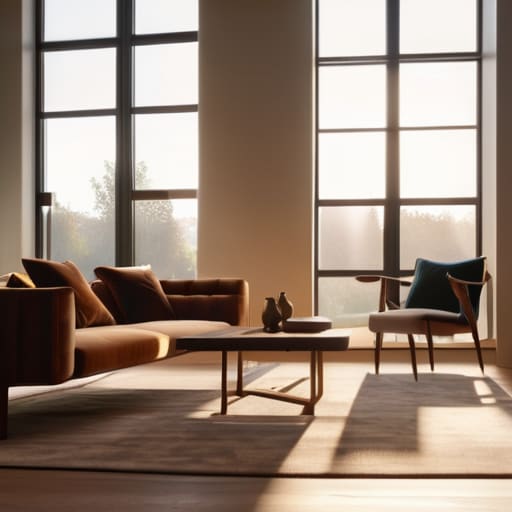
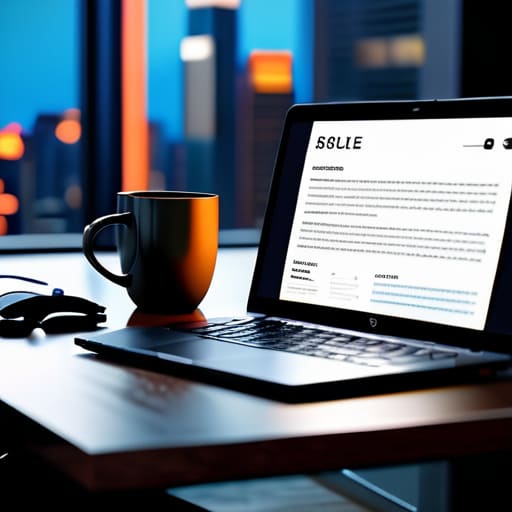
Let’s break it down. You’ve got your “movie night” setting, which isn’t just about dimming the lights to hide the popcorn stains on your couch. No, it’s about creating that immersive cinematic experience where the only thing brighter than your screen is the plot twist you didn’t see coming. Then there’s “focus mode”. This is where you turn your space into a no-nonsense workspace, casting a bright, cool light that screams productivity, whether you’re writing the next great novel or just pretending to be busy on Zoom. And don’t get me started on “morning wake-up”. It’s like ripping the band-aid off your slumber, gently coaxing you out of bed with a gradual sunrise simulation. It’s less about waking up and more about easing into consciousness like a civilized human being.
But here’s the kicker: these aren’t just pre-set scenes to make you feel like you’ve got your life together. They’re tools—tools to harness the chaos of your day-to-day existence. You can mold your environment to suit your needs, whether you’re winding down after a day that felt like a decade or gearing up for yet another round of existential dread. It’s not just about light, it’s about life. So go ahead, play with the settings. You might just find a version of yourself you didn’t know existed lurking in the shadows—or in the glow.
Key Considerations and Final Thoughts
So, you’re diving into the world of smart lighting, ready to morph your living space into a chameleon of moods. But let’s not kid ourselves—this isn’t just about flipping a switch and basking in some magical glow. It’s about understanding the beast you’re taming. First, think about how you actually use your rooms. Are you really going to get up at 5 AM for sunrise mode, or is that just a fantasy you tell yourself every January? Be honest. You need lighting that complements your actual lifestyle, not the one you like to imagine. Movie mode might sound like a cinematic dream, but it’s also an excuse to hide those dust bunnies under the couch. Night mode? It’s not just for winding down; it’s your ticket to a good night’s sleep, if you let it be.
Now, about those scenes—morning wake-up, focus mode, and the rest. It’s like orchestrating a symphony, but with photons. You’ve got to know when to bring in the violins and when to let the percussion take over. Morning wake-up should gently coax you into the day, like a good friend who knows you need at least two cups of coffee to function. Focus mode is your hard-driving taskmaster, cutting through distractions like a hot knife through butter. Don’t underestimate the power of these settings; they’re not just cute tricks for your friends. They’re tools to transform how you live, work, and relax. Keep it simple, keep it real, and remember—if your lighting setup looks more like a disco than a mood enhancer, you’ve gone off the deep end.
Mastering the Light Symphony
In the dance of shadows and light, smart bulbs are your orchestra. They turn your room into a theater where morning scenes coax you awake and movie nights wrap you in their cozy embrace. It’s not just illumination; it’s a mood, a moment, a manipulation of ambiance.
The Light at the End of the Tunnel
In the end, my voyage through the kaleidoscope of smart lighting has been less about the technology and more about the subtle art of controlling my environment. It’s about harnessing light—not just to illuminate but to transform the mundane into something meaningful. Whether it’s casting the perfect shadow for a late-night movie or simulating the gentle dawn to yank me out of a morning stupor, these scenes aren’t just about setting moods. They’re about reclaiming power over the spaces we inhabit.
But here’s the kicker. This isn’t about creating a false reality. It’s about enhancing the one we’re stuck in. So next time I flick that switch, I’ll do it with intention. Because, whether it’s the focused intensity of a work mode or the relaxed glow of a weekend morning, these lights have become more than just bulbs. They’ve become the silent narrators of my day-to-day story, capable of shifting the narrative with a simple, deliberate touch.