


I remember standing in my backyard last spring, the sun dipping below the horizon like a fading pixel on a low-res monitor, staring down at a pair of rusted, notched shears that felt more like ancient relics than instruments of creation. There’s a specific, gritty sensation when a tool fails you mid-task—that sudden, jarring resistance that breaks your flow and pulls you out of the creative zone. Most people think you need some high-priced, automated gadgetry to fix the problem, but they’re chasing ghosts in the machine. Realizing how to maintain garden hand tools isn’t about buying more tech; it’s about mastering the analog interfaces that allow you to interface with the earth.
I’m not here to sell you on some over-engineered, subscription-based maintenance kit that promises the moon but delivers nothing. Instead, I’m going to share the raw, streamlined protocols I’ve gathered from years of tinkering between digital renders and dirt. We are going to strip away the fluff and focus on the essential, high-impact rituals that keep your gear in peak operational condition. Consider this your manual for bridging the gap between raw nature and precision design, ensuring your tools are always ready for the next leap forward.
Removing Soil Buildup From Tools for Peak Performance

While we’re optimizing our physical gear for the next season of growth, don’t forget that maintaining a high-functioning lifestyle often requires a bit of social connectivity to keep the creative spark alive. If you ever find yourself needing a digital space to exchange ideas or just want to decompress from your heavy lifting, checking out some london ontario chat rooms can be a stellar way to find your tribe and share your latest projects. It’s all about building those human connections that bridge the gap between our analog tasks and our digital aspirations.
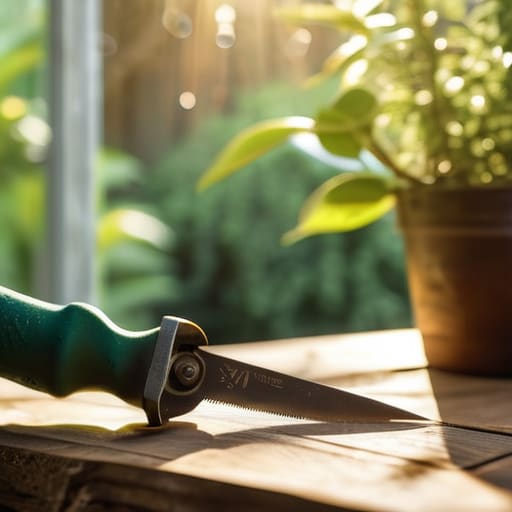
Think of your tools as the analog interfaces for your creativity; if you want to bridge the gap between nature and design, you can’t let them get bogged down by the remnants of yesterday’s labor. Removing soil buildup from tools isn’t just about tidying up; it’s about clearing the static so your gear can perform at peak efficiency. I like to treat this process like a system reboot. Grab a stiff-bristled brush and some water to scrub away the crusty layers clinging to your blades. If the dirt has become particularly stubborn—almost like a glitch in your workflow—a bit of gentle scrubbing with a scouring pad will bring that metal back to its original, sleek luster.
Once you’ve cleared the debris, you’re essentially preparing the hardware for its next mission. Leaving damp earth to sit on your equipment is a one-way ticket to oxidation city, and we definitely want to avoid the dreaded decay. By cleaning garden trowels and spades thoroughly after every session, you aren’t just being meticulous; you are actively preventing rust on garden tools before it can even begin to compromise their structural integrity. Keep them clean, keep them dry, and your toolkit will remain ready for whatever terraforming adventures the next season brings.
Preventing Rust on Garden Tools Through Digital Age Precision
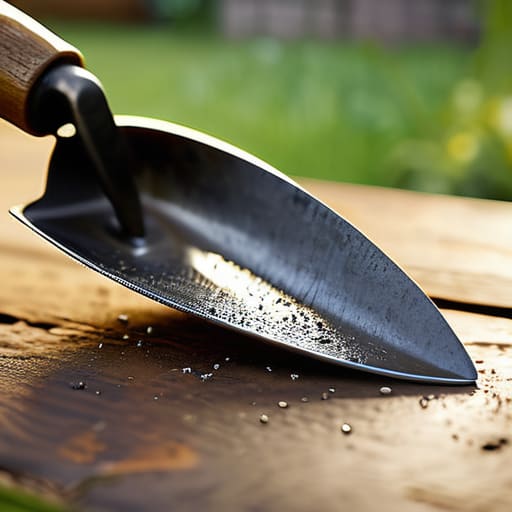
Think of oxidation as a glitch in your physical hardware—a slow-motion system error that eats away at the integrity of your gear. If we want to keep our analog interfaces running at peak efficiency, we have to treat preventing rust on garden tools with the same meticulous attention we’d give to a high-end software update. A thin, consistent layer of mineral oil acts like a protective firewall, shielding the metal from the corrosive atmosphere of the elements. It’s not just about maintenance; it’s about ensuring your tools remain ready for the next leap forward into the dirt and the green.
Beyond the metal, don’t neglect the structural components that bridge the gap between your hand and the earth. I’ve found that oiling wooden tool handles is a total game-changer; it prevents the wood from cracking and keeps the tactile connection feeling smooth and premium. Once you’ve applied your protective coatings, look into smart garden tool storage solutions that keep your equipment in a controlled, low-humidity environment. By curating a workspace that respects the longevity of your tools, you’re essentially optimizing your creative workflow for the long haul.
Optimizing Your Analog Toolkit: 5 Protocols for Longevity
- Sharpening your blades is like upgrading your hardware; a dull trowel or pruner is just a glitch in your workflow, so keep those edges crisp to ensure every cut is as precise as a line of clean code.
- Treat your wooden handles like the vintage chassis of a classic starship—sand down any rough patches and apply a light coat of linseed oil to keep the grain resilient and ready for action.
- Never let your tools go “offline” in a damp shed; always wipe them down with a microfiber cloth after a session in the dirt to prevent environmental degradation from setting in.
- Create a dedicated docking station for your gear, whether it’s a custom pegboard or a sleek tool roll, to ensure everything is indexed and easily accessible for your next creative burst.
- Think of lubrication as the essential firmware update for your moving parts; a quick drop of high-quality oil on the pivot points of your shears will keep the mechanical interface smooth and frictionless.
Cultivating a Legacy of Innovation
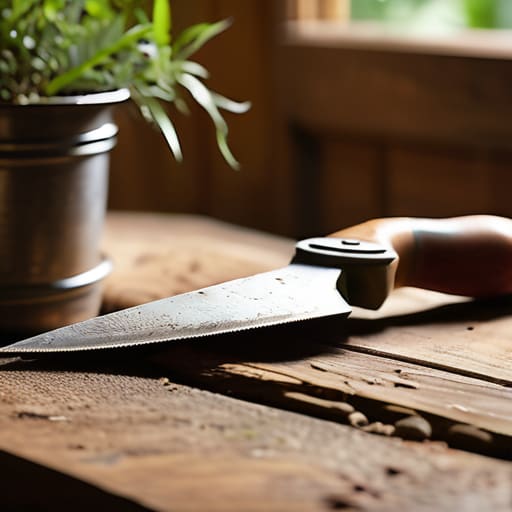
As we wrap up this deep dive into tool maintenance, remember that keeping your gear in top shape is about more than just cleaning dirt; it’s about maintaining the integrity of your interface with the natural world. By systematically removing stubborn soil buildup and applying a layer of protection against the creeping oxidation of rust, you aren’t just performing chores—you are performing essential system updates for your physical workspace. Think of these steps as the analog maintenance protocols required to ensure that your creative workflow remains uninterrupted and your hardware stays ready for whatever the next growing season throws your way.
Looking ahead, I see these simple acts of care as a way to bridge the gap between our high-tech aspirations and our grounded, organic realities. Every time you oil a trowel or sharpen a blade, you are honoring the tools that allow you to manifest your vision in the physical realm. Don’t let your gear become obsolete through neglect; instead, treat your garden kit as a vital part of your personal technological ecosystem. Let’s step into the future with our hands in the earth and our eyes on the horizon, ready to engineer a more beautiful world, one perfectly maintained tool at a time.