


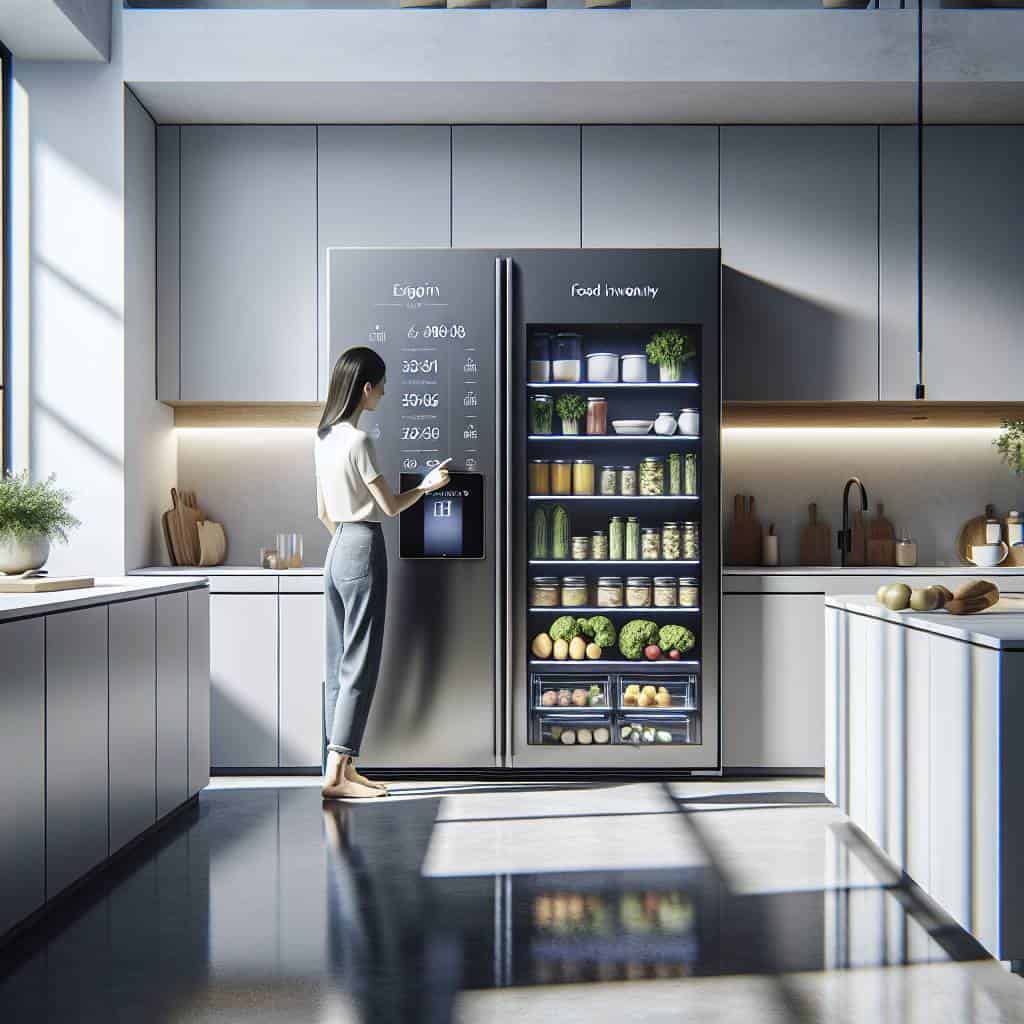
I once spent a small fortune on a smart fridge that promised to revolutionize my eating habits by reminding me when my milk was about to expire. Spoiler alert: it didn’t. It did, however, notify me at 3 a.m. about a door that wasn’t ajar. But amidst the clamor of false alarms and pointless notifications, there’s a kernel of truth: technology can, if you wield it right, make your home healthier. It’s not about owning every shiny gadget that hits the market. It’s about figuring out which ones actually do something meaningful for your daily life. And believe me, I’m the last person to buy into the hype. Yet, here I am, telling you that some tech is worth its weight in gold.
So, what’s the real deal with these so-called health-enhancing gadgets? Let’s cut through the smoke and mirrors. This article isn’t about selling you on the latest fad. I’m diving deep into the nitty-gritty of air purifiers that might actually help you breathe easier, smart water bottles that do more than just look good on Instagram, and sleep tracking devices that could finally help you get a decent night’s rest. Forget the fluff and the hyperbole. I’m here to break down what works, what doesn’t, and why some of these devices might just be the unsung heroes of your home.
Table of Contents
How My Sleep Became Smarter Than Me
So, here’s the brutal truth—we often think we’re masters of our own lives, commanding our routines with precision. But then, you wake up one day and realize your sleep tracker knows more about your REM cycles than you do. It’s a strange moment of clarity when your pillow is feeding data to an app, analyzing your sleep patterns like some nocturnal spy. While you’re fumbling in the dark, trying to remember if you locked the door, your sleep tech is logging your every toss and turn, judging you silently. It’s like waking up to find your mattress has a PhD in sleep science, while you barely passed the course on getting eight hours.
Let’s cut through the nonsense. We live in an age where our homes are turning into sentient beings, monitoring every breath we take. Air purifiers smarter than your average politician, smart water bottles that nag you to hydrate—it’s both fascinating and slightly terrifying. But sleep, oh sleep, has become the crowning jewel of this digital empire. These devices are not just tracking sleep; they’re dissecting it, optimizing it, and, let’s be honest, outperforming us in understanding what our bodies need. They tell us when to sleep, wake, and even how to breathe while doing so. The irony? While we’re busy trying to outsmart our tech, our sleep devices have quietly taken the wheel, steering us toward a healthier lifestyle. It’s a humbling reminder that sometimes, the best way to get ahead is to let a few circuits do the driving.
The Unseen Upside of Smart Living
When your air purifier knows more about your allergies than your doctor, it’s not just cleaning your air—it’s cleaning up your life.
When Your Home Outsmarts Your Life
So here I am, surrounded by devices that know more about me than I probably do. My air purifier whispers secrets about my environment, my smart water bottle nudges me to hydrate, and my sleep tracker shames me with data about my restless nights. It’s a strange new world where inanimate objects are not just part of my home—they’re participants in my life, silently judging me for every unhealthy choice I make.
But let’s not kid ourselves. Technology might have its finger on the pulse of my daily habits, but it’s still up to me to make the hard calls. A smart home can only do so much. It’s like having a silent partner who points out your flaws without offering real solutions. At the end of the day, the responsibility to act lies with me. Am I ready to listen to all this feedback and make changes, or will I dismiss it like background noise? That’s the real question. Maybe the gadgets are smarter, but they’ve still got a lot to learn about human stubbornness.