


I once tried to turn my cramped studio apartment into a productivity haven. Spoiler alert: it ended with me tangled in fairy lights and a mild existential crisis. Who knew that a Pinterest board of “perfect workspaces” would lead to such chaos? But here’s the thing—those glossy photos and neat little tips never show you the mountain of reality that’s lurking just outside the frame. They don’t tell you about the neighbor’s incessant drilling or the fact that you’re one spilled coffee away from a total meltdown. And yet, we’re all here, desperately trying to carve out a little niche of sanity in this mad world.
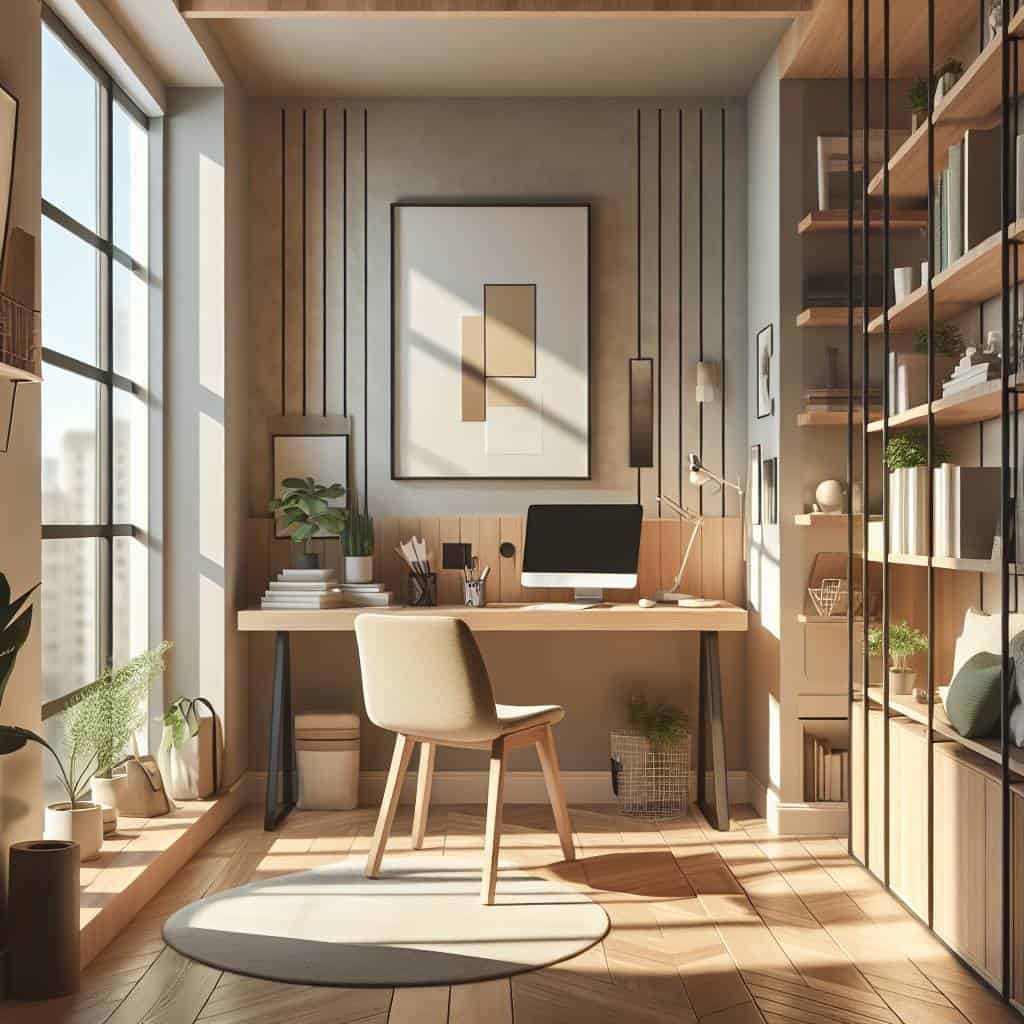
So, what’s the play here? How do we turn our cluttered corners and noisy nooks into something that actually works for us? That’s what we’re diving into. We’ll cut through the fluff and get real about optimizing your home and workspace for productivity and focus. No promises of zen gardens or meditation spaces, just straightforward advice on making your environment work for you, not against you. It’s time to ditch the fairy lights and get down to business.
Table of Contents
Turning My Cluttered Home into a Productivity Paradise: A Tale of Optimizing Chaos
Alright, let’s get real. My home was a disaster zone, a museum of misplaced nostalgia, with every corner shouting a different chapter of chaos. But the thing is, I got tired of this constant visual noise that was stealing my focus. You can’t just slap a new coat of paint on a crumbling wall and call it a castle. So, I decided to strip it down, not to the bare bones but to the essentials that actually mattered. It wasn’t about turning my living room into some sterile showroom. No, it was about carving out a space that let my brain breathe, a space where I could actually get stuff done without tripping over last year’s failed hobbies.
First, I tackled my desk—the epicenter of my productivity or lack thereof. I ditched the clutter, the knick-knacks that served no purpose other than collecting dust and guilt. I needed a setup that screamed ‘work’ but didn’t suffocate me with its seriousness. Replacing the chaos with a few carefully chosen items that sparked joy and creativity was a game-changer. And then, the ultimate hack: I zoned my home. I created distinct areas for work and play. No more answering emails from the couch where I binge-watch Netflix. That kind of overlap was a productivity killer.
And guess what? It worked. My home didn’t just look better; it felt better. I didn’t turn into a productivity robot, but I found a rhythm that worked for me. The clutter was just a distraction, a physical manifestation of procrastination. By optimizing my space, I optimized my mind. And that’s how I turned my chaotic home into a productivity paradise. Not by following some prescriptive design trend, but by listening to what I needed and cutting out the rest.
The Brutal Truth About Your Space
Stop waiting for a miracle. Your home isn’t a Pinterest board—it’s a battle station. Optimize it like one if you want to win.
The Brutal Beauty of My Chaos
So, what’s the takeaway from this whole exercise in ‘optimizing chaos’? It’s that perfection is a myth spun by design magazines and Pinterest boards. My home isn’t a sterile, picture-perfect shrine to productivity. It’s a living, breathing testament to the fact that success can coexist with a bit of mess. A little disorder doesn’t undermine focus; it can fuel it. My living room might look like a tornado passed through, but it’s my tornado, and it works for me.
In the end, designing your environment for success isn’t about creating a pristine, Instagram-worthy space. It’s about crafting a habitat that lets your mind roam free and your ideas take root. I’ve learned that the beauty of chaos is its ability to adapt and inspire, to push me beyond my comfort zone and into the realm of real creativity. So, embrace the clutter, the oddities, the imperfections—they’re your allies in this messy journey toward productivity and focus. Because sometimes, the best ideas come from the most unexpected places.