

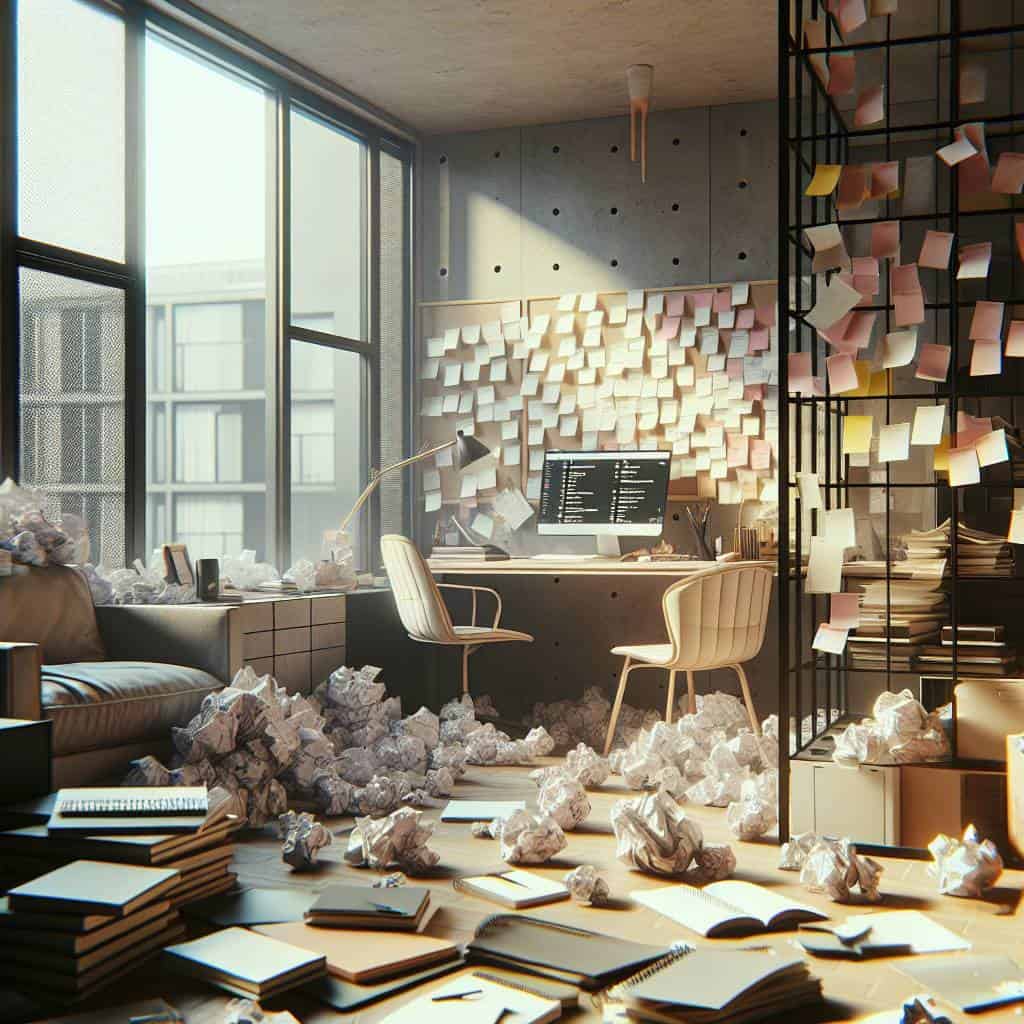
Picture this: I’m standing in my apartment, surrounded by a sea of crumpled sticky notes, half-open notebooks, and digital reminders pinging at me like a relentless squadron of gnats. My brain, once a nimble acrobat, now feels like a hoarder trapped in a perpetual state of chaos. Ever since the day I realized my trusty noggin couldn’t keep up with the relentless barrage of urban stimuli, I knew I needed a backup plan—something to sift through the noise and preserve the nuggets worth keeping. Enter the concept of the “second brain,” a lifeline for those of us drowning in our own thoughts.
Now, I’m not here to sugarcoat it. Building a second brain isn’t some magical, effortless journey. It’s a gritty, street-smart strategy to reclaim your mental real estate. In the coming paragraphs, I’ll guide you through the bare-knuckle basics of constructing this mental extension. We’ll tackle everything from how to gather and store your best ideas to the art of turning chaotic scribbles into organized brilliance. So, buckle up—there’s no room for fluff here, only the raw truth on how to outsmart your brain’s hoarding tendencies.
Table of Contents
Why My First Brain Needed a Backup: The Chaotic Journey to Building a Second One
Picture this: my brain, once a bustling metropolis of thoughts and ideas, slowly turned into a chaotic maze of misplaced memories and forgotten inspirations. It was a hoarder, clinging to every scrap of information it encountered. Except, unlike a hoarder’s house, my brain had no walls to collapse under the weight of clutter—just an endless attic where ideas went to be forgotten. That’s when I realized I needed a backup. A second brain. One that didn’t lose track of my best ideas like socks in a laundry.
Building this second brain wasn’t some overnight DIY project. It was a journey through the madness of trial and error. I became a curator of my own mind, sifting through the mental debris to find what was worth saving. I had to learn the art of note-taking—not the school-taught kind, but a raw, unpolished system that could capture the essence of ideas before they slipped into oblivion. And this wasn’t just about storage; it was about creating a living, breathing archive that evolved with me, ready to be plundered when inspiration struck.
And let me tell you, the first steps were brutal. Imagine trying to untangle a million headphone cords while blindfolded. But with every misstep, I learned. I found the tools that could finally cut through the chaos and organize my thoughts into something tangible. Now, my second brain is like the city grid: structured yet teeming with life, a place where every idea has its home and purpose. It’s not perfect, but it’s mine, and it’s the only way I keep the creative engine roaring amidst the urban madness.
Outsmarting the Chaos
In a world where our first brain hoards chaos, a second brain is the refuge where your best ideas find clarity and purpose.
The Brain That Outsmarted Chaos
In my city of relentless pace and sensory overload, the concept of a ‘second brain’ wasn’t just appealing—it was essential. I had to face the truth: my first brain was like a subway at rush hour, packed with fleeting thoughts and ideas that were constantly jostling for space. But this second brain, it became my refuge—a place where the noise of the outside world could be muted, and the symphony of my own thoughts could play out with clarity. Every note I took, every idea I stored, felt like a small rebellion against the chaos that threatened to consume me.
This journey wasn’t just about organizing my thoughts; it was about reclaiming them. It was about standing in the middle of a crowded intersection and feeling my mind expand instead of retreat. My second brain gave me the power to sift through the clutter and hold onto the gems worth keeping. And in doing that, it gave me something even more priceless: the freedom to create without fear of forgetting. So here I am, in the heart of the city, with a brain that’s not just a hoarder but a curator of my best ideas, ready and waiting to take on the world.