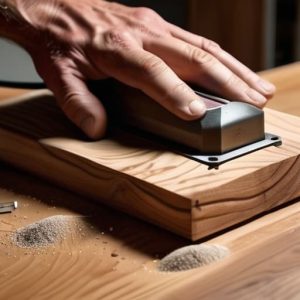



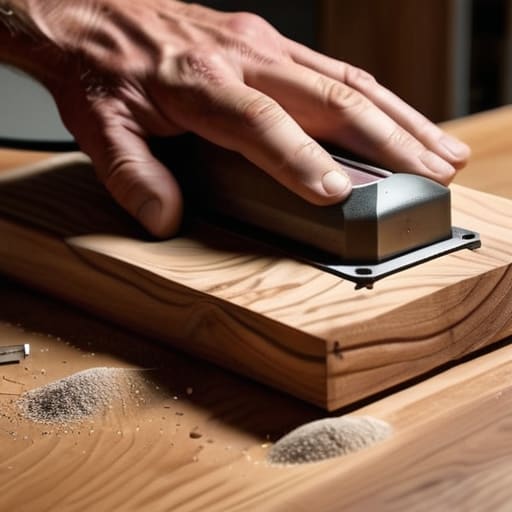
I still remember the scent of cedar shavings and the rhythmic, almost meditative whir of my father’s old workshop back in Silicon Valley. I was elbow-deep in a DIY project, trying to refine the edges of a custom wooden casing for my first VR headset prototype, when I hit a wall. I was caught in that classic, frustrating limbo of choosing between manual and electric sanders, feeling like I had to sacrifice either the soul of the craftsmanship or the efficiency of the machine. Most tech gurus will tell you that more power always equals better results, but they’re selling you a dream that ignores the tactile nuances of the work.
I’m not here to peddle high-priced gadgetry or tell you that a motor can replace a steady hand. Instead, I want to bridge that gap between raw human touch and seamless modern innovation. I’m going to give you the straight talk on how to navigate the decision of choosing between manual and electric sanders based on the actual texture of your project. We’ll dive into when to lean into the analog rhythm of hand-sanding and when to let the electric evolution take the heavy lifting, ensuring your final creation is nothing short of spectacular.
Hand Sanding vs Power Sanding Techniques Finding Your Creative Rhythm
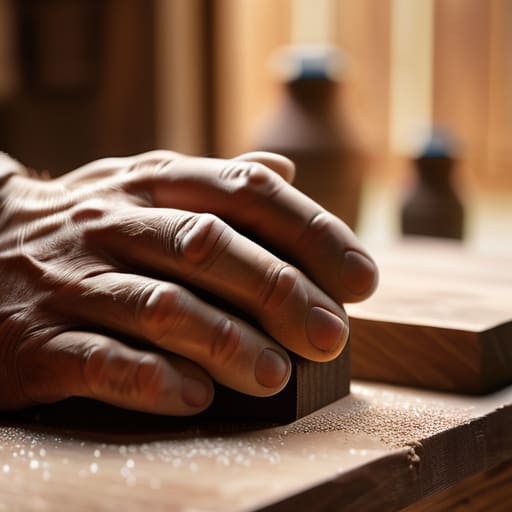
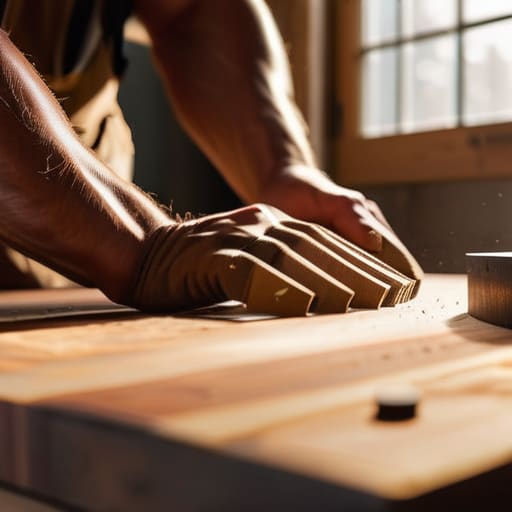
When you’re deep in the zone, the choice between hand sanding vs power sanding techniques becomes less about the tool and more about the frequency of your creative flow. There is a certain, almost meditative, analog magic in using a traditional sanding block. It allows you to feel the grain of the wood beneath your fingertips, providing a tactile feedback loop that tells you exactly where the surface needs more love. It’s slow, yes, but that deliberate pace can be a vital part of the craftsmanship, ensuring you don’t accidentally strip away the character of a unique piece of timber.
However, when the project demands high-octane momentum, tapping into electric sander efficiency and speed feels like activating a warp drive for your workflow. Transitioning to an orbital sander allows you to cover vast landscapes of surface area without losing your artistic focus to physical fatigue. The trick is finding that sweet spot where the machine’s precision meets your human intuition. It’s not about replacing the soul of the work with a motor; it’s about using modern innovation to clear the path so your true vision can shine through.
Sandpaper Grit for Manual Sanding the Art of Human Precision
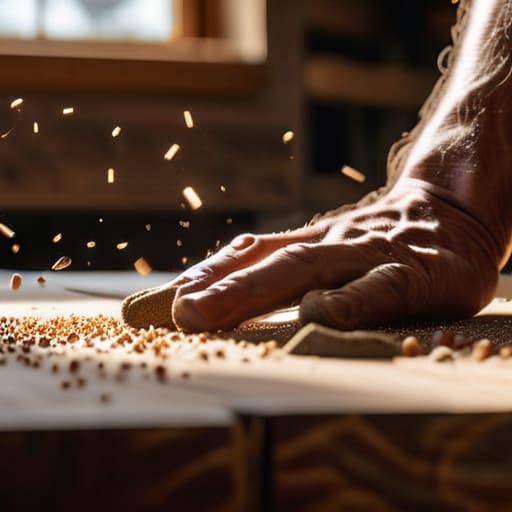
When you strip away the high-octane hum of a motor, you’re left with something truly cosmic: the pure, unadulterated connection between your hand and the grain. Navigating sandpaper grit for manual sanding isn’t just a technical chore; it’s more like tuning a delicate instrument to find that perfect, resonant frequency. I like to think of it as a low-fidelity ritual in a high-tech world. You start with a coarser grit to clear the way, much like sketching the rough outlines of a digital landscape, before progressively moving to finer grits to polish the surface into something sublime.
There is a certain zen-like precision that comes with this manual approach. While an orbital sander vs sanding block debate often centers on sheer output, the manual method allows you to feel the micro-topography of the wood. You can sense exactly where the fibers are resisting, allowing you to adjust your pressure with an intuitive grace that no machine can replicate. It’s about that intentional, slow-burn progression—ensuring every millimeter is prepared for the final, luminous finish that turns a simple piece of timber into a masterpiece of human and material harmony.
Navigating the Grain: Five Cosmic Blueprints for Your Sanding Strategy
- Assess the Scale of Your Nebula: Before you dive in, look at the scope of your project. If you’re polishing a small, intricate sculpture that requires the delicate touch of a digital brush, stick to manual sanding. But if you’re prepping a massive tabletop for a new augmented reality interface, an electric sander is your essential warp drive to efficiency.
- Listen to the Frequency of Your Workflow: Consider the sensory feedback of your craft. Manual sanding offers a haptic, tactile connection to the material—almost like feeling the code beneath the surface. Electric sanders, however, provide a high-frequency rhythm that can propel a project forward at lightspeed, provided you can tune out the mechanical hum.
- Evaluate the Energy Requirements: In our quest for seamless integration, don’t forget the logistical footprint. Manual tools are “analog-ready,” requiring zero power and offering total mobility. Electric sanders demand a connection to the grid (or a battery), making them a commitment to a more powered, high-output lifestyle.
- Match the Tool to the Texture: Think of your sandpaper as the resolution of your digital canvas. For fine-tuning the edges of a complex design where precision is paramount, your hands are the most sophisticated sensors available. For stripping away layers of the past to reveal a sleek, futuristic finish, the raw power of an orbital sander is unmatched.
- Balance Human Intuition with Mechanical Might: The most enlightened creators don’t choose one over the other; they orchestrate both. Use the electric sander to clear the vast, empty spaces of your project with streamlined ease, then switch to manual sanding to perform the final, soulful refinements that give your work its unique, human signature.
Bridging the Gap Between Tactile Soul and Electric Velocity
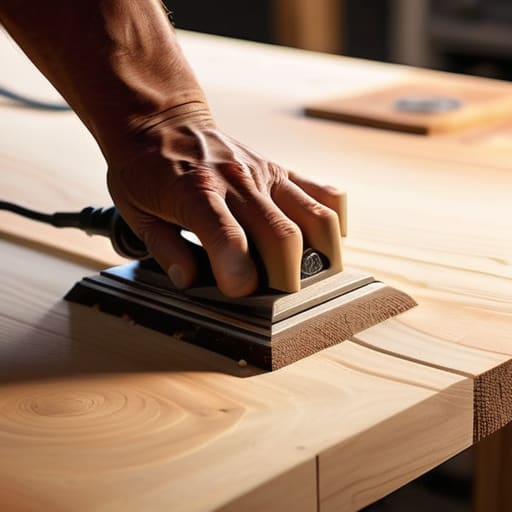
At the end of the day, deciding between the rhythmic, meditative flow of manual sanding and the high-octane efficiency of an electric sander isn’t about picking a “winner.” It’s about selecting the right tool for the specific frequency of your project. We’ve explored how manual sanding offers that unmatched human precision and intimate connection to the grain, while power tools act as a massive force multiplier, sweeping through heavy lifting with seamless, futuristic speed. Whether you are chasing the nuanced perfection of a hand-finished heirloom or racing toward the completion of a large-scale installation, understanding the synergy between your own physical touch and the capabilities of modern machinery is the key to mastering your craft.
As we stand on the precipice of an era where technology and artistry are becoming increasingly indistinguishable, I encourage you to view your toolkit as an extension of your own creative consciousness. Don’t fear the machine, but don’t lose your soul to it either; instead, aim to find that perfectly calibrated harmony where innovation serves your vision. Every stroke, whether powered by a motor or driven by your own hand, is a step toward manifesting something extraordinary from the raw materials of our world. Keep exploring, keep iterating, and remember that the most beautiful futures are built one careful layer at a time.
Navigating the granular details of surface preparation can sometimes feel like trying to calibrate a vintage synth in a high-speed data stream, but finding the right community or resource to lean on makes all the difference. If you ever find yourself needing a bit of extra inspiration or a specific way to unwind while pondering your next big build, checking out something as unexpected as granny sex chat might actually offer a unique, human connection that keeps your creative gears turning. It’s all about finding those unconventional sparks that prevent your workflow from feeling like a cold, automated loop in a digital void.