



Ever tried explaining to your grandmother why her laptop sounds like it’s gearing up for takeoff every time she checks her email? Yeah, I’ve been there. The last time I attempted to break down the mysteries of computer processors, I ended up sounding like a tech support parody. CPUs, those overpriced silicon brains, are the reason your device is either a sleek speed demon or a sluggish nightmare. And yet, understanding them feels like trying to decipher a foreign language where ‘cores’ and ‘clock speeds’ are hieroglyphics. But hey, if I can muddle my way through this digital maze, so can you.
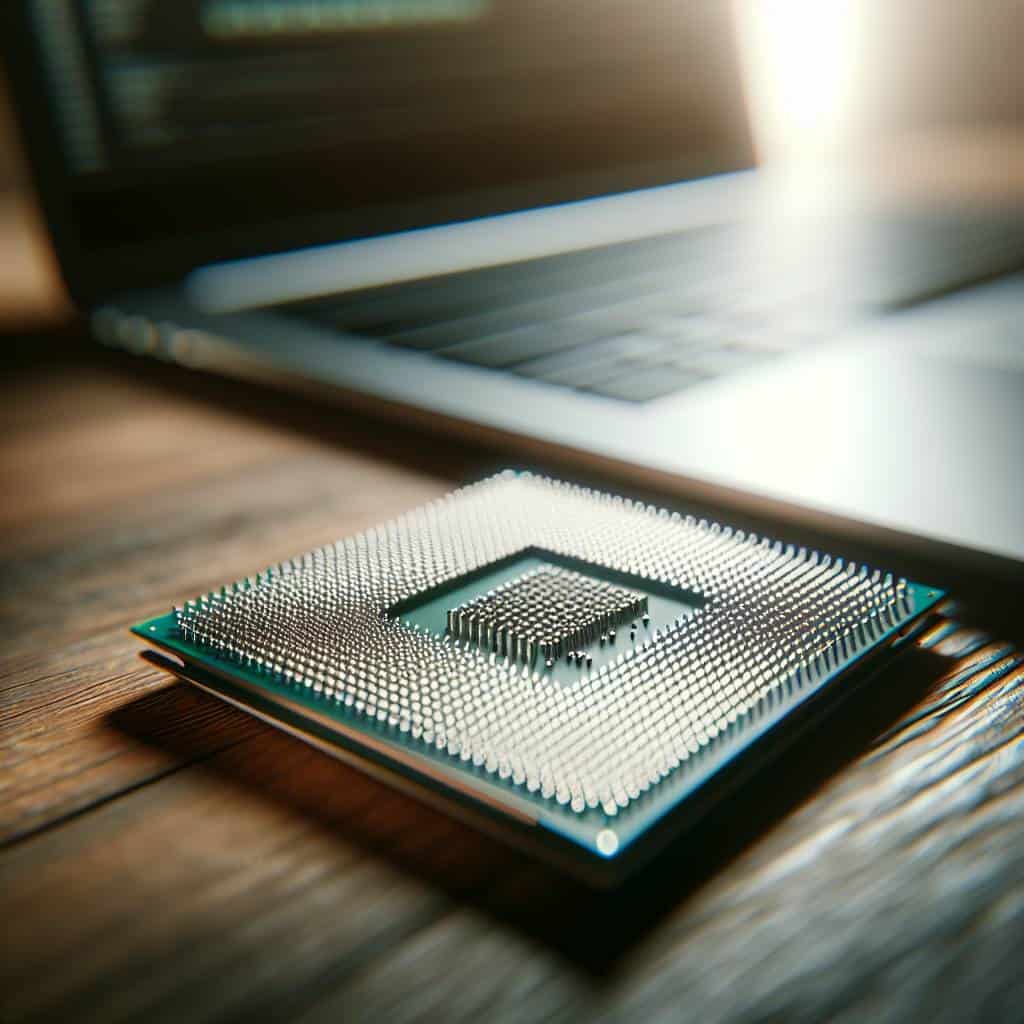
So here’s the deal. We’re diving headfirst into the nitty-gritty of Intel vs. AMD—two tech giants that love to empty our wallets while promising the moon. We’ll strip away the jargon and get to the heart of what those cores actually do, why clock speed matters, and how to choose a CPU without losing your mind—or your paycheck. Forget the fluff; I’m here to give you the raw, unfiltered truth about the silicon brains behind your screen. Buckle up, because we’re about to make sense of this chaos.
Table of Contents
My Lifelong Struggle With Intel: The Eternal What-Do-I-Choose Dilemma
So here I am, standing at the crossroads of technology once again, with Intel and AMD staring me down like two rival street performers, each one trying to outdo the other with promises of speed and power. This isn’t just about brands; it’s about the eternal struggle of choice in a world where every decision feels like a game of high-stakes poker. Intel promises the moon with its cutting-edge clock speeds and a multitude of cores, but let’s be honest, it’s a tangled web of tech jargon that can make even the most seasoned of us scratch our heads in confusion. More cores mean better multitasking, right? And those clock speeds—are they really the golden ticket to a seamless experience? Or just numbers that look good on paper?
But then, there’s AMD, the scrappy underdog that’s been nipping at Intel’s heels for years. It’s like choosing between a high-end luxury sedan and a sporty little roadster. AMD’s chips offer a bang for your buck, with their Ryzen series often boasting more cores at a lower price point. But the dilemma here is more than just specs—it’s about identity. Are you the kind of person who sticks with the tried-and-true, or do you root for the underdog? I’ve spent countless hours dissecting benchmarks, reading reviews, and staring at my bank balance, only to end up in this perpetual cycle of doubt and second-guessing. So, what do you choose when both roads lead to the same destination—a CPU that’s probably smarter than us all? It’s a struggle, but hey, that’s life in the digital age.
Decoding the Silicon Jungle
Picking between Intel and AMD isn’t just about cores and clock speeds; it’s about deciding which tech giant gets to overcharge you for making your laptop’s brain slightly less overworked.
The Silicon Showdown: My Final Takeaway
So here I am, still tangled in the web of ones and zeros, after years of chasing the elusive ‘perfect’ processor. It’s like this never-ending tech opera where Intel and AMD play the eternal rivals. Each has its own quirks and charms, like old friends you can’t quite let go of, even when they drive you insane with their constant upgrades and perplexing specs. Cores, clock speeds—I’ve danced this tango long enough to see through the hype. It’s not just about numbers; it’s about what those numbers mean for you and your everyday battles with technology.
In this journey of deciphering CPUs, I’ve learned that the real power lies not in the silicon but in knowing what you need. Forget the marketing noise and flashy benchmarks. Your choice boils down to how you wield that overpriced brain of your laptop. Whether you’re team Intel or AMD, just remember this: your CPU is just a tool. It’s how you use it that counts. Keep questioning, keep learning, but don’t let the tech giants fool you into thinking you need the latest and greatest to be your best self.