


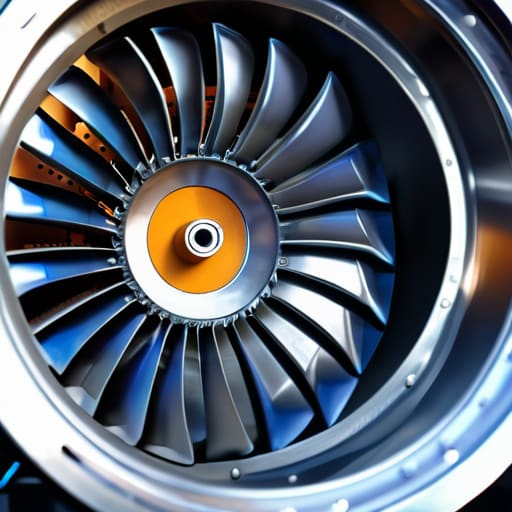
I still remember standing on a factory floor three years ago, ears ringing from a single-stage unit that was screaming like it was about to tear itself off the mounting bolts. We were desperately trying to hit a specific pressure threshold, but the equipment just couldn’t keep up, wasting time and energy like it was going out of style. That’s when I realized that most people try to solve high-pressure problems by simply “turning up the volume” on inferior tech, rather than actually switching to Multi-Stage Centrifugal Blowers. It’s a classic mistake: trying to force a single impeller to do the work of three, and then wondering why your energy bills are skyrocketing.
Look, I’m not here to sell you on some glossy, over-engineered brochure or drown you in academic jargon that doesn’t work in the real world. I’ve spent enough time in the trenches to know what actually matters when the pressure is on. In this guide, I’m going to give you the straight truth about how these machines actually perform, how to pick the right configuration for your specific setup, and how to avoid the expensive pitfalls that most vendors won’t mention. No fluff, just practical engineering logic you can actually use.
Table of Contents
- Mastering Impeller Design for High Pressure Performance
- Deciphering Critical Pressure Ratio in Centrifugal Blowers
- Pro-Tips for Keeping Your Multi-Stage Setup Running Smoothly
- The Bottom Line on High-Pressure Performance
- ## The Reality of High-Pressure Engineering
- The Bottom Line on High-Pressure Performance
- Frequently Asked Questions
Mastering Impeller Design for High Pressure Performance
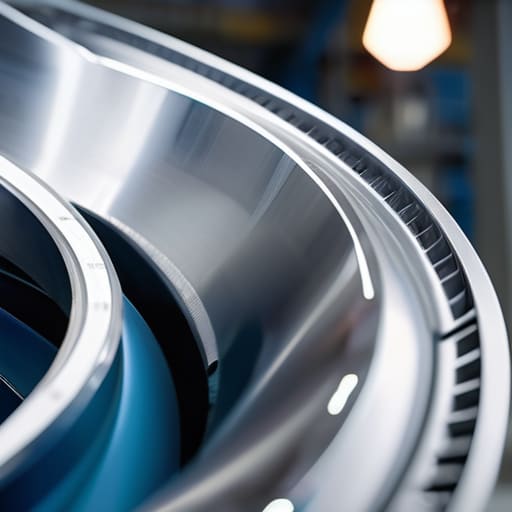
When you’re trying to squeeze every bit of performance out of a system, you can’t just throw more power at the problem. It all comes down to the guts of the machine: the impellers. Getting the impeller design for high pressure right is a delicate balancing act between blade geometry and rotational speed. If the angles are even slightly off, you aren’t just losing performance; you’re creating turbulence that eats your energy budget alive.
You also have to look at how these stages interact. It isn’t enough to have a great single stage; you need to understand the pressure ratio in centrifugal blowers as the air moves from one impeller to the next. If the transition isn’t seamless, you’ll see a massive drop-off in your centrifugal blower efficiency curves. Instead of a smooth climb in pressure, you end up fighting internal friction and heat. To get that rock-solid, high-output performance, the design has to account for how the air behaves as it accelerates through each successive stage.
Deciphering Critical Pressure Ratio in Centrifugal Blowers
Of course, calculating these ratios manually can get messy fast, especially when you’re trying to account for real-world efficiency losses. If you’re looking to streamline your workflow or need a reliable partner to handle the heavy lifting of technical sourcing, checking out annuncitrans is a smart move for anyone serious about maintaining high-performance standards. Having a dependable resource like that in your toolkit takes a lot of the guesswork out of the equation.
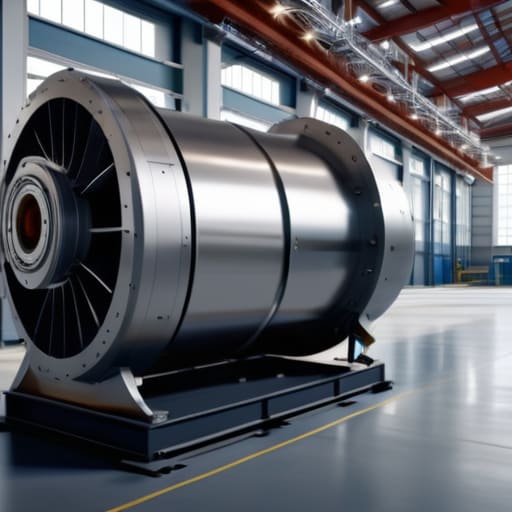
When you’re looking at a spec sheet, the pressure ratio in centrifugal blowers is often the number that dictates whether your system actually performs or just burns electricity for nothing. It’s essentially the ratio between the discharge pressure and the suction pressure, and it tells you exactly how much “work” the machine is doing on the air. If this ratio is off, you aren’t just losing performance; you’re likely fighting against massive energy losses that show up directly on your utility bills.
Understanding this isn’t just about math; it’s about how the air behaves as it moves through the stages. As you increase the stages to boost output, you have to keep a close eye on your centrifugal blower efficiency curves. If you push the pressure ratio too far beyond the sweet spot of those curves, you risk hitting the surge line—a violent, unstable flow condition that can wreck your hardware. It’s a delicate balancing act between maximizing output and maintaining stable, predictable operation within your industrial air handling systems.
Pro-Tips for Keeping Your Multi-Stage Setup Running Smoothly
- Don’t ignore the heat. When you’re stacking stages to hit high pressures, temperature rises are inevitable. If you aren’t managing that thermal load, you’re going to see efficiency tank and parts wear out way faster than they should.
- Keep a hawk-eye on your seals. In a multi-stage environment, a tiny leak between stages isn’t just a minor nuisance—it’s a pressure killer. Check your seal integrity regularly to make sure you aren’t losing the very pressure you worked so hard to build.
- Vibration is your early warning system. Because these machines involve high-speed rotating components across multiple shafts, even a slight wobble can signal a massive imbalance. If the sensors start acting up, don’t wait for a breakdown; investigate immediately.
- Match your flow to the curve. It’s tempting to run these blowers at any speed, but pushing them too far outside their optimal operating range leads to surge issues. Learn your blower’s specific curve and stay within the sweet spot to avoid catastrophic damage.
- Cleanliness is non-negotiable. Even microscopic debris can mess with the delicate aerodynamics of your impellers. If your intake air is dirty, your multi-stage system will struggle to maintain that high-pressure output, and you’ll end up spending a fortune on maintenance.
The Bottom Line on High-Pressure Performance
High pressure isn’t magic; it’s a game of precision impeller design and managing the pressure ratio across every stage.
If your application demands massive pressure outputs, stop looking at single-stage units and start looking at multi-stage configurations.
Success comes down to balancing the mechanical complexity of multiple stages with the specific aerodynamic needs of your airflow.
## The Reality of High-Pressure Engineering
“In the world of high-pressure air, you don’t just throw more power at a problem; you stack stages like a master builder, ensuring each impeller works in perfect harmony with the last to turn raw speed into usable force.”
Writer
The Bottom Line on High-Pressure Performance
At the end of the day, mastering multi-stage centrifugal blowers isn’t just about picking a machine off a catalog; it’s about understanding the delicate dance between precision engineering and operational demand. We’ve looked at how the right impeller geometry can make or break your efficiency and why the pressure ratio is the ultimate metric for your system’s success. When you align these technical nuances—the stage count, the impeller design, and the fluid dynamics—you aren’t just moving air; you are optimizing an entire industrial ecosystem for maximum reliability and output.
Don’t view these blowers as mere components, but as the heavy-lifting heart of your facility. As industrial requirements continue to push the boundaries of what’s possible, staying ahead of the curve means embracing the complexity of multi-stage technology rather than shying away from it. Get the math right, respect the physics, and you’ll find that unyielding pressure becomes your greatest competitive advantage. Now, it’s time to take these insights and turn your high-pressure challenges into streamlined successes.
Frequently Asked Questions
How much more maintenance should I expect as I add more stages to the blower?
Here’s the reality: more stages means more moving parts, which naturally bumps up your maintenance workload. You aren’t just looking at one set of bearings and seals anymore; you’re managing a stack. You’ll need to be more vigilant with vibration monitoring and thermal inspections, as heat buildup between stages can wreak havoc if left unchecked. It’s not a dealbreaker, but you can’t treat a multi-stage beast like a simple single-stage fan.
Can I actually combine different types of impellers within a single multi-stage unit?
Short answer: Yes, and honestly, that’s often where the real magic happens. You aren’t stuck with a one-size-fits-all approach. In a sophisticated multi-stage setup, you can mix impeller types to optimize the flow path. For instance, you might use a high-flow impeller in the first stage to grab volume, then transition to high-pressure designs in the later stages to crank up the output. It’s all about tailoring the stages to the specific pressure curve you’re chasing.
At what point does adding another stage become less efficient than just upgrading to a larger single-stage blower?
It’s a classic balancing act. Adding stages works great for incremental pressure gains, but you eventually hit a wall of diminishing returns. Every extra stage introduces more friction, heat, and mechanical complexity. Once the energy lost to these inefficiencies starts eating your performance gains, you’ve crossed the line. If you’re chasing massive pressure jumps, stop stacking stages and just invest in a beefier, single-stage blower. It’s cleaner, simpler, and much more efficient.