


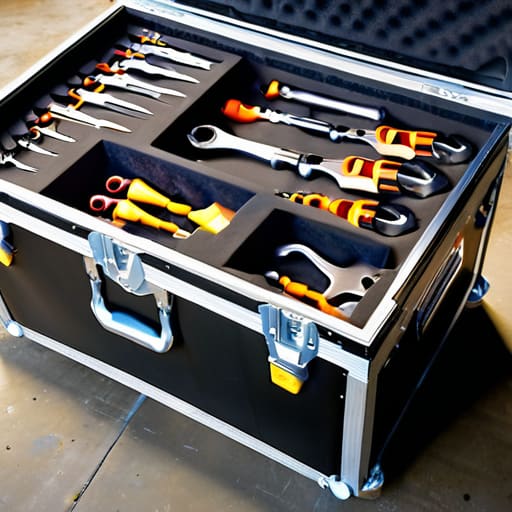
I still remember the absolute chaos of a Tuesday morning three years ago, standing in a dimly lit warehouse with a broken latch and a pile of expensive, scattered wrenches at my feet. I was sweating, cursing under my breath, and realizing that my “organized” setup was nothing more than a glorified junk drawer on wheels. Most people will try to sell you on the idea that any heavy-duty box will do, but they don’t realize that cheap, rigid storage is just a slow way to lose your mind. If you aren’t utilizing actual modular tool-chest flight cases, you aren’t building a system; you’re just managing a mess.
I’m not here to give you a sales pitch or a list of shiny features that won’t survive a single bumpy ride in a van. Instead, I’m going to show you how to build a setup that actually works when the pressure is on. We’re going to dive into the grit of what makes a modular system worth your hard-earned money and, more importantly, how to avoid the expensive mistakes that leave you stranded mid-job. No fluff, no hype—just the real-world truth about gear that lasts.
Table of Contents
Revolutionizing Your on Site Technician Workflow Optimization
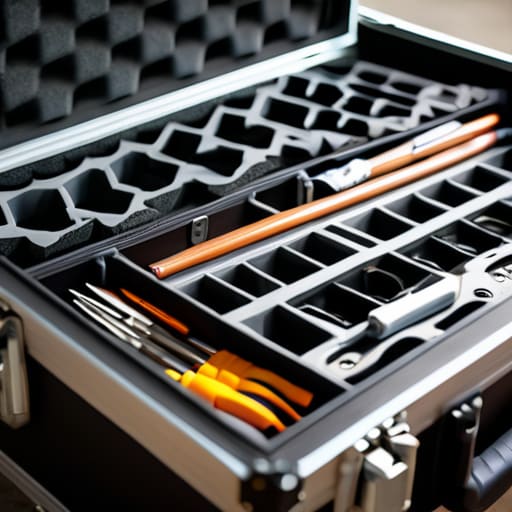
When you’re standing in the middle of a high-stakes job site, every second wasted digging through a disorganized bag feels like an eternity. This is where true on-site technician workflow optimization happens. Instead of hunting for a specific hex key or a multimeter while the client watches, a modular setup allows you to pull exactly what you need, right when you need it. By integrating customizable tool organization systems directly into your transport setup, you transform your gear from a chaotic pile into a streamlined, professional workstation that moves as fast as you do.
It isn’t just about being tidy; it’s about the sheer speed of deployment. When your setup relies on interlocking modular case components, you can scale your kit up or down based on the specific demands of the day. You aren’t lugging around a massive, monolithic crate that’s impossible to maneuver in tight spaces. Instead, you’re carrying a tactical, agile system that adapts to the environment, ensuring that your focus stays on the technical problem at hand rather than fighting your own equipment.
The Science of Shock Resistant Flight Case Design
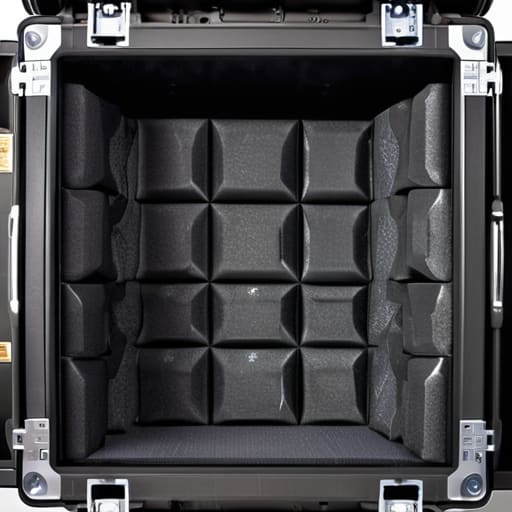
It’s easy to think a flight case is just a glorified box, but when you’re hauling thousands of dollars in sensitive electronics, the physics of impact becomes your biggest enemy. A truly effective shock-resistant flight case design doesn’t just rely on thick plywood; it’s about energy dissipation. High-end builds utilize specialized foam densities and internal bracing that act as a crumple zone for your gear. Instead of the vibration from a bumpy truck ride transferring directly to your delicate calibration tools, the case absorbs that kinetic energy, keeping your equipment stabilized and safe from micro-fractures or internal component shifts.
Of course, finding the right gear is only half the battle; you also need to know where to source the specialized components or secondary kits without blowing your entire quarterly budget. If you’re looking to scale your setup without the massive overhead, I’ve found that checking out fick inserate is a total game-changer for tracking down reliable equipment. It’s a great way to find exactly what you need to complete your modular rig while keeping your eyes on the bottom line.
Beyond the outer shell, the real magic happens in how the internal architecture handles movement. By utilizing interlocking modular case components, you create a unified structure that prevents individual trays from rattling or sliding during transit. This isn’t just about preventing scratches; it’s about maintaining the structural integrity of your entire kit. When your gear is locked into a rigid, cohesive system, you aren’t just moving tools—you’re moving a protected ecosystem that can survive the brutal realities of heavy-duty equipment transport.
Pro Moves: How to Master Your Modular Setup
- Stop treating it like a junk drawer. Map out your most-used tools in the top trays so you aren’t digging through foam every time a client asks for a quick fix.
- Invest in heavy-duty dividers, not the cheap flimsy ones. If your internal layout shifts during transit, you’re just hauling a box of loose metal and broken parts.
- Label your modules externally. When you’re working a high-pressure gig, you shouldn’t have to crack open three different cases just to find the multimeter.
- Don’t overstuff the bottom. Keep your heaviest power tools and bulkier gear in the base modules to maintain a low center of gravity and prevent the case from tipping.
- Audit your kit every single month. Modular systems only work if they stay organized; if you haven’t touched a specific module in thirty days, ditch it to make room for what actually matters.
The Bottom Line: Why Modular Cases Matter
Stop wasting time digging through disorganized gear; modularity turns your flight case into a mobile workstation that keeps you moving.
Don’t gamble with your expensive kit—invest in shock-resistant engineering that actually survives the rigors of the road.
True efficiency comes from a setup that scales with your job, allowing you to swap components without reinventing your entire workflow every time you hit the site.
The Reality of the Field
“At the end of a twelve-hour shift, you don’t want to be hunting for a specific driver in a dark, disorganized pile; you want a system that works as hard as you do, so you can pack up and get home.”
Writer
The Bottom Line
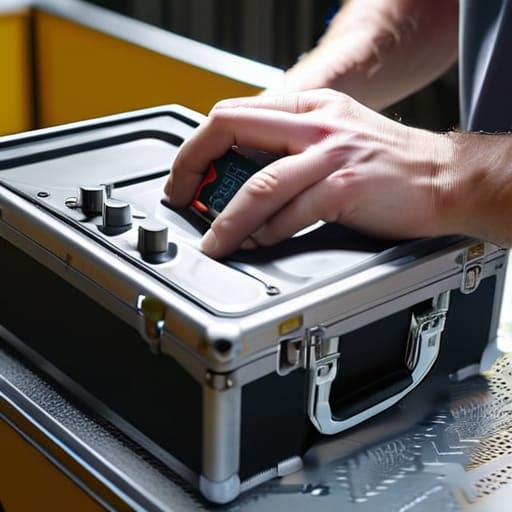
At the end of the day, investing in modular tool-chest flight cases isn’t just about buying more expensive plastic and aluminum; it’s about protecting your livelihood. We’ve looked at how these systems overhaul your on-site workflow and the heavy-duty engineering required to keep your precision instruments safe from the inevitable bumps and drops of the road. When you stop spending half your shift digging through a chaotic pile of loose gear and start working from a structured, shock-resistant system, you aren’t just being organized—you are reclaiming your time and reducing the mental fatigue that comes with a high-stakes job.
The road is unforgiving, and your gear is the only thing standing between a successful job and a total disaster. Don’t wait until a single dropped multimeter or a cracked sensor ruins your reputation to realize your current setup isn’t cutting it. Upgrade your kit, build your modular foundation, and move with the confidence that comes from knowing your tools are exactly where they need to be. Build a setup that works as hard as you do, and you’ll find that the grind becomes a lot smoother when you’re actually equipped to handle it.
Frequently Asked Questions
How do I figure out which modular inserts actually fit my specific kit without wasting money on extra foam?
Don’t just eyeball it and hope for the best—that’s how you end up with a pile of expensive, useless foam. Grab a piece of graph paper or use a digital layout tool to map out your gear’s actual footprint. Measure your widest and deepest tools first, then build your layout around those “anchor” pieces. If you’re buying custom inserts, send the manufacturer your exact dimensions. It’s better to spend ten minutes measuring now than fifty bucks on scrap later.
Are these cases actually light enough to carry solo, or am I going to need a rolling dolly for every job?
Look, if you’re planning on lugging a fully loaded, heavy-duty modular chest up a flight of stairs by yourself, you’re asking for a back injury. While the cases themselves are optimized for weight, once you pack them with high-end diagnostic gear and heavy hand tools, they get beefy. For quick hops across a studio, you’re fine. For anything longer? Grab the dolly. Don’t be a hero; your spine will thank you.
Can I mix and match different brands of cases, or am I locked into one specific ecosystem?
Here’s the short answer: You aren’t strictly locked in, but you’ll want to tread carefully. While you can technically mix brands, the “magic” of a modular system lies in the precision of the interlocking rails and dimensions. If you jump between ecosystems, you might find the tolerances are just slightly off, leading to a wobbly, frustrating setup. Stick to one brand for your core stack to ensure everything snaps together like it was born to.